
Young children learn mathematics best when parents make numbers feel useful, playful, and connected to daily life. Many children lose interest when adults push worksheets too early or focus only on memorization. Kids need movement, conversation, repetition, and encouragement while they build confidence with counting, shapes, patterns, and problem solving.
Parents can support math skills at home without expensive materials or long lessons. Simple routines and curious conversations often create stronger learning experiences than formal drills.

Build Math Into Daily Activities
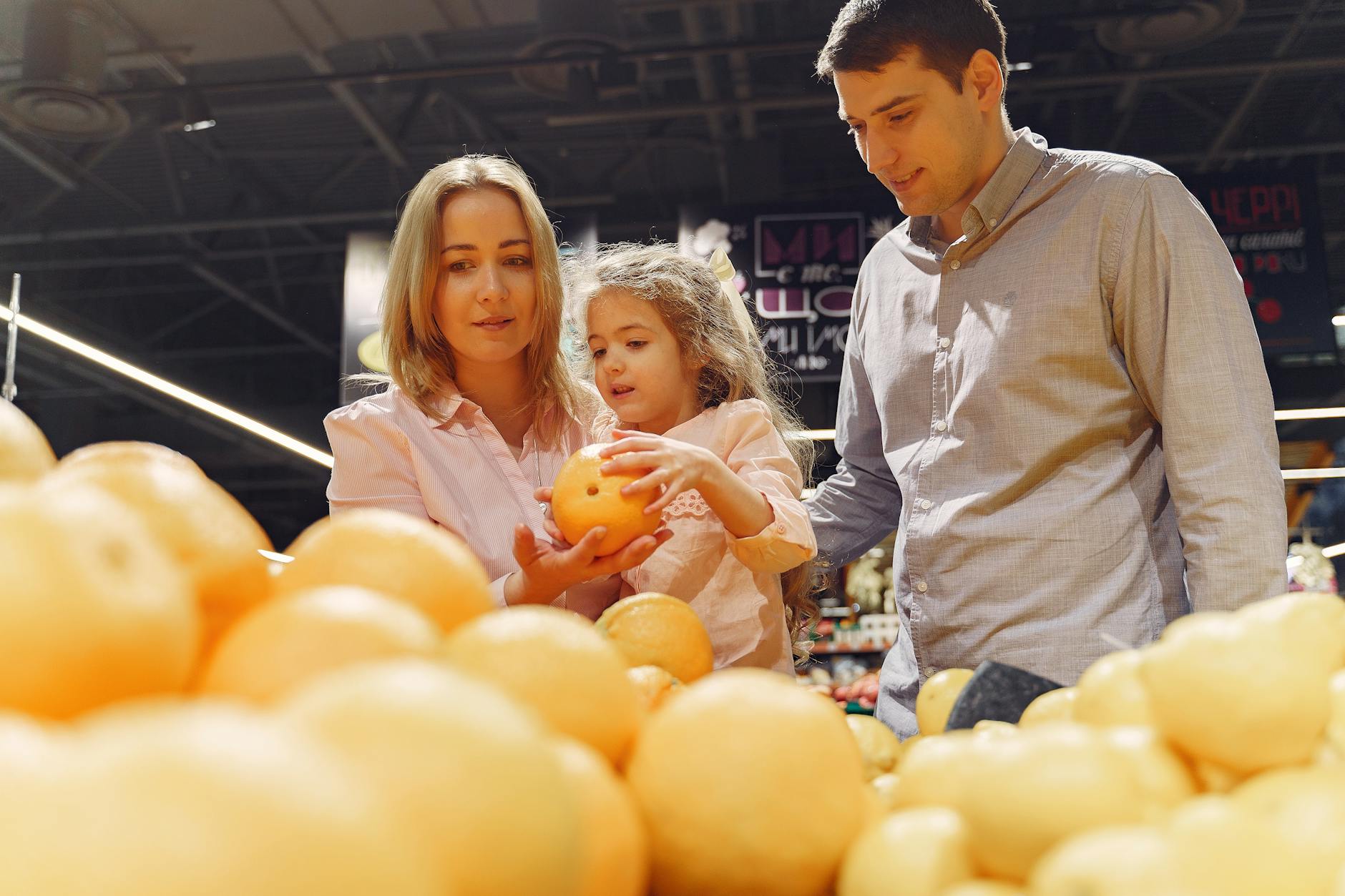
Children understand math faster when they see it during regular activities. Parents can ask questions while cooking, shopping, cleaning, or driving. These moments help children connect numbers with real experiences instead of abstract rules.
Try activities like these:
- Count apples while placing groceries on the counter.
- Compare prices at the store.
- Sort socks by color or size.
- Measure ingredients during baking.
- Talk about time during morning routines.
Young children also enjoy games that involve counting, matching, and patterns. Board games strengthen number recognition while keeping learning fun and relaxed.
Encourage Hands-On Exploration
Children remember math concepts longer when they touch, move, and organize objects. Blocks, coins, toy cars, cups, and crayons all support early math learning. Kids learn important ideas when they stack, compare, separate, and rearrange items.
Parents should allow children to make mistakes during activities. Quick corrections can create anxiety and frustration. Instead, ask simple questions that encourage thinking. A child who counts incorrectly often fixes mistakes after another attempt.
Hands-on learning also supports concentration. For example, learning the mechanics of slot car racing can introduce counting, speed comparisons, measurement, and problem solving in a way that feels exciting instead of stressful.
Focus on Conversations Instead of Memorization
Many parents worry about flash cards and timed quizzes. Young children benefit more from discussions than pressure-filled practice sessions. Conversations help kids explain their thinking and strengthen reasoning skills.
Ask questions such as:
- “How did you figure that out?”
- “Which group looks bigger?”
- “What happens if we add one more?”
- “Can you find another way?”
These conversations teach children that math involves thinking, not guessing. Children who explain ideas aloud usually develop stronger confidence and flexibility.
Keep Lessons Short and Positive
Young children learn best during short, consistent practice sessions. Long lessons often create resistance and exhaustion. Ten focused minutes can accomplish far more than an hour of forced work.
Parents should celebrate effort, patience, and curiosity instead of perfect answers. Children who fear mistakes may avoid challenges later. Positive feedback encourages persistence and resilience.

Understand Your Child’s Learning Style
Every child learns at a different pace. Some children recognize numbers quickly, while others need extra repetition before concepts make sense. Parents should avoid comparisons with siblings, classmates, or online milestones. Steady encouragement and playful practice usually produce strong long-term results.
When parents create a relaxed environment, children usually approach mathematics with curiosity instead of fear. Everyday experiences provide countless chances to practice counting, measuring, sorting, and reasoning. Children who enjoy early math activities often carry stronger confidence into elementary school. Parents do not need advanced teaching skills to help their children succeed. They simply need patience, encouragement, and consistent opportunities to explore numbers in meaningful ways every single day at home together comfortably.

 Mom on the go in Holy Toledo