
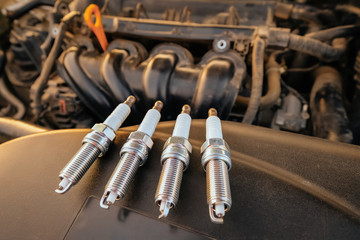
Spark plugs are small yet mighty influences on your vehicle’s performance. Understanding when and how to change them is a valuable skill that not only saves you money at the repair shop but also ensures your vehicle is running at its best. Do away with intimidation and use this blog to learn about a few things to consider before changing your spark plugs.
The Sparks that Move Your World: A Primer
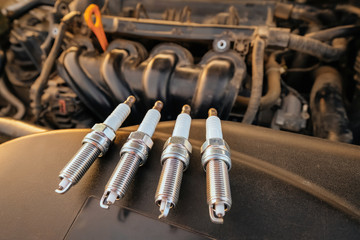
It’s essential to comprehend the role of spark plugs. Spark plugs screw into the engine’s cylinder head and connect to an ignition coil. When the coil sends an electrical charge, it jumps the spark plug’s gap and ignites the air-fuel mixture that powers your engine.
You might be overlooking changing your spark plugs if you experience rough idling, poor acceleration, or high fuel consumption. These are classic signs that it’s time to change your spark plugs.
Selecting the Right Spark Plugs for Your Ride
Choosing the right spark plugs can be as overwhelming as selecting fine wines for a connoisseur. With a variety of types, including copper, platinum, and iridium, each offering different lifespans and performance attributes, it’s crucial to match your spark plugs to your vehicle’s manufacturer’s recommendations. Also, invest in high-quality spark plugs that are compatible with your engine to ensure optimal fuel efficiency and a smooth ride.
Setting the Stage: Preparation is Key
Making sure you have all the necessary tools is the first step in any DIY maintenance job. As a car owner, you should always keep auto parts like spark plugs, socket wrenches, and anti-seize lubricant on hand for a quick tune-up day or night, rain, or shine.
Consider the possibility of keeping a selection of spare auto parts at home such as spark plugs, wrenches, filters, and various belts or hoses. Also, make sure you work in a well-ventilated area and wear protective gear.
The Delicate Art of Replacement: A Step-by-Step Guide
Removing the old spark plugs, inspecting, and cleaning the wells, and carefully installing new ones demands a methodical approach. It’s time to channel your inner mechanic and diligently follow the vehicle-specific torque values and tightening sequence to avoid damage to your engine’s components. Precision is your ally here in this process and even half a turn could make a significant difference in your vehicle’s performance.
Missteps and Mishaps: Steering Clear of Common Errors
Over-torquing, using the wrong torque values, or failing to check spark plug compatibility are rookie mistakes that lead to costly damages. Remember, your vehicle’s engine is finely tuned, and a little extra zeal can throw it off balance. You can keep most issues at bay by following a regular maintenance schedule.
Extra Fuel for Thought: Final Tips and Considerations
Understanding the signs of potential spark plug issues and knowing when to seek professional help can save you from future headaches. Sometimes, it’s best to leave it to the pros, especially if the job requires more than a simple plug-and-play operation.
There are many things to consider before changing your spark plugs but it’s important to remember it’s also as simple as building a puzzle. Don’t be afraid to do your car maintenance at home but call the professionals when you hit unchartered waters and prefer assistance.

 Mom on the go in Holy Toledo