
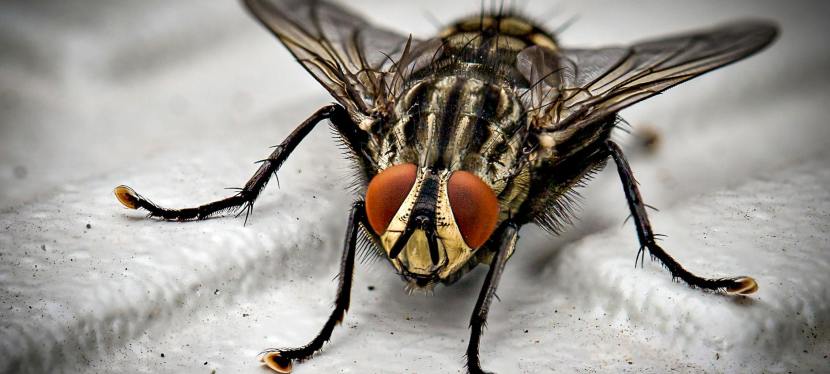
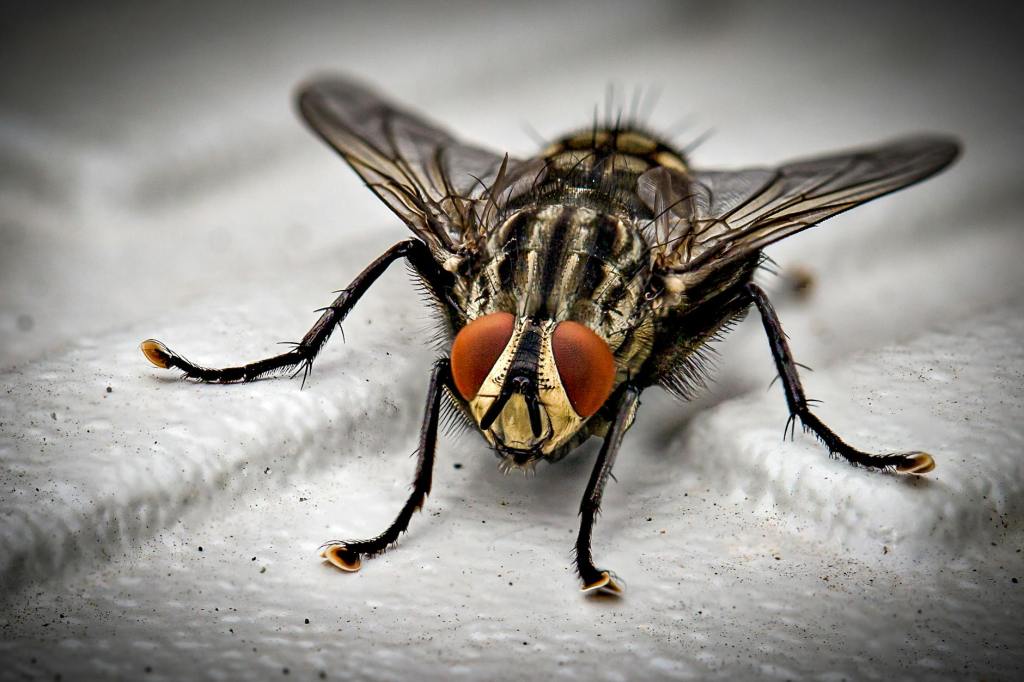
Flies are not just annoying. They can carry germs and bacteria, making them a health hazard in your home or business. From traditional methods to modern innovations, there are several techniques available to keep these pests at bay.
This guide will compare various fly control methods. They will help you choose the best solution for your needs. Let’s dive in!
Fly Swatters
Fly swatters are perhaps the most traditional method of fly control. They are cheap, easy to use, and require no chemicals. Available in various shapes and sizes, they offer a quick solution to eliminate flies on the spot.
However, they require you to be present and vigilant, which may not always be practical. Despite their simplicity, swatters can be ineffective against larger infestations.
Fly Paper and Sticky Traps
Fly paper and sticky traps are another low-cost option. These traps use a sticky substance to capture flies when they land on them.
Fly paper can be hung in areas where flies are prevalent. Sticky traps can be placed on surfaces.
These methods are effective for catching flies passively and continuously. However, they can be unsightly and may need frequent replacement if they become covered in flies.
Electronic Fly Zappers
Electronic fly zappers attract flies using light and then kill them with an electric grid. These devices are effective for large areas and can handle significant fly populations. They are ideal for both residential and commercial settings.
However, the “zap” sound can be startling, and cleaning up the dead flies may be unpleasant. Additionally, some models may not be suitable for outdoor use, limiting their versatility.
Fly Repellents
Fly repellents come in various forms, including sprays, candles, and electronic devices. These products keep flies away by emitting scents or sounds that flies find unpleasant.
Repellents are excellent for creating a fly-free zone without killing the insects. They are particularly useful for outdoor spaces where other methods might be less effective.
However, their effectiveness can vary. Some people may find the scents or sounds bothersome.
Natural Remedies
Many homeowners and business owners prefer natural fly repellents. Common options include vinegar traps, essential oils, and herbs like basil and mint.
These methods are eco-friendly and safe for use around children and pets. They can also add pleasant aromas to your space.
However, natural remedies may not be as effective as commercial products. Regular maintenance and replenishment are often required to keep them working efficiently.
Pest Control Services
If all else fails, hiring a home pest control service may be necessary. These experts have the knowledge and tools to effectively eliminate fly infestations. Their services can range from one-time treatments to ongoing maintenance plans.
For example, Enviro Guard pest control offers eco-friendly solutions for fly control. Their trained technicians can identify the source of the infestation. They use targeted treatments to eradicate flies from your property.
Fly Control: Choosing the Right Method
When it comes to fly control, there is no one-size-fits-all solution. The method you choose will depend on the severity of your infestation, your budget, and your personal preferences.
So, take the time to evaluate your options and choose the best one for your needs. Whether you opt for a traditional swatter or a professional pest control service, getting rid of flies can help keep your home or business clean and healthy. Remember to also practice proper sanitation and hygiene to prevent future fly infestations.
Did you find this article helpful? If so, check out the rest of our site for more.

 Mom on the go in Holy Toledo