Remember when your kid couldn’t stop asking “why?” about everything? That curiosity is pure gold for learning science. The trick is keeping that spark alive as they grow older and distractions multiply.
Getting kids interested in science doesn’t require a lab coat or fancy equipment. You just need to show them that science isn’t some boring subject trapped in textbooks, it’s everywhere around them, and it’s actually pretty cool.
Start With What They Already Love
Your kid obsessed with dinosaurs? Perfect. That’s paleontology. Love watching cooking shows? That’s chemistry in action. Science becomes instantly more appealing when you connect it to their existing interests.
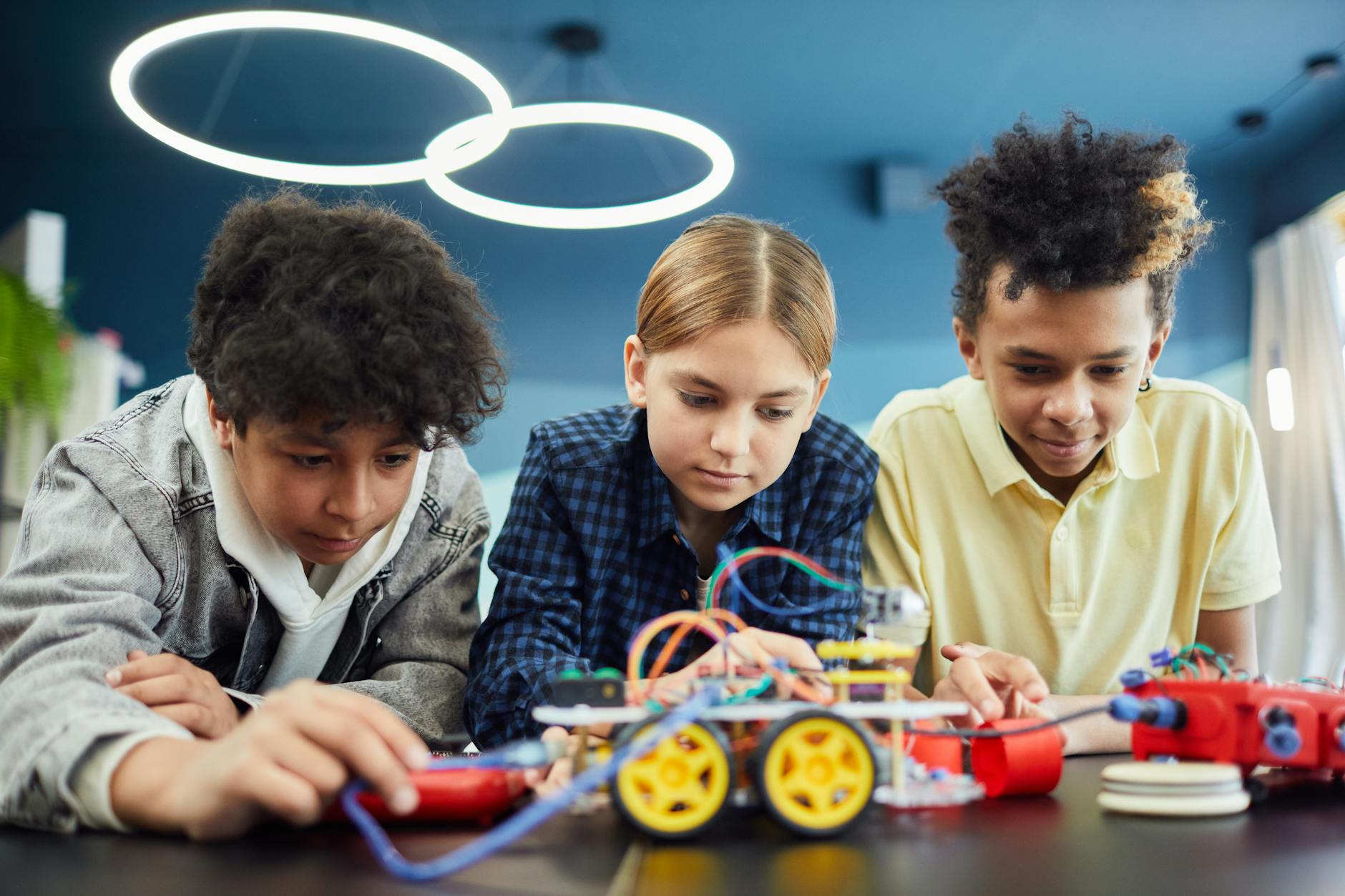
Take slot car racing, for example. If your child loves watching those tiny cars zoom around tracks, you can explore the science behind slot car racing together. Talk about friction, speed, and what makes one car faster than another. Suddenly, physics doesn’t seem so intimidating.
The key here is observation. Pay attention to what naturally catches their eye, then find the science hiding inside it.
Make it Hands-On
Kids learn best by doing, not by reading or watching. Here are some simple ways to get their hands dirty:
- Build a volcano (yes, it’s clichéd, but it works)
- Grow crystals on a string
- Create slime and experiment with different ratios
- Freeze objects in ice and race to melt them
- Make a simple circuit with batteries and LED lights
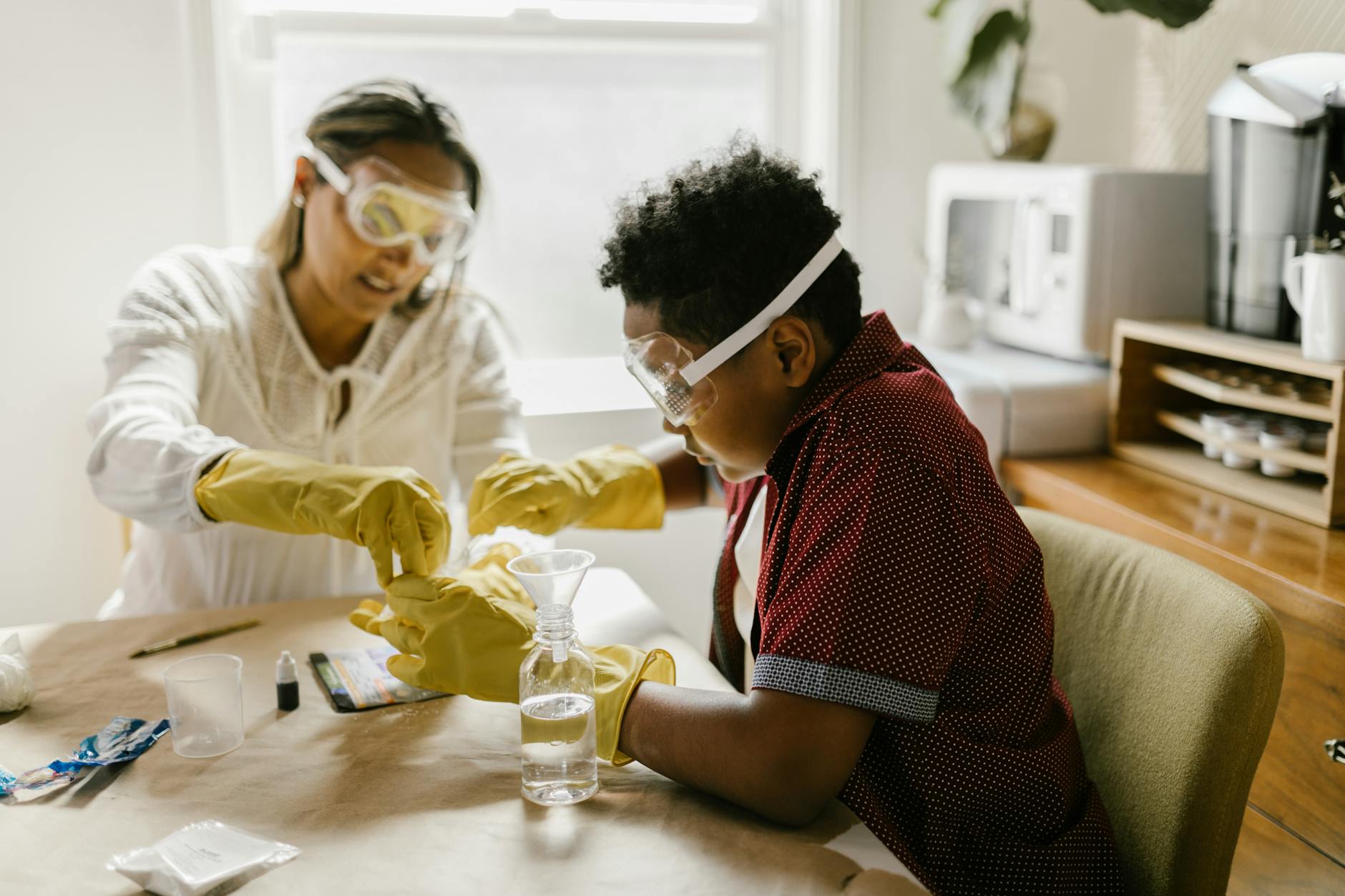
These activities don’t need to be complicated. Half the fun comes from the mess and the trial-and-error process. When something goes wrong, that’s actually a teaching moment, so help them figure out what happened and why.
Ask Questions Instead of Giving Answers
When your kid asks why the sky is blue or how planes stay up, resist the urge to immediately explain everything. Instead, flip it back to them: “What do you think?” or “How could we find out?”
This approach does two things. First, it makes them think critically instead of passively receiving information. Second, it shows them that not knowing something isn’t a problem, it’s an opportunity to investigate.
Normalize Failure as Part of Learning
Science involves a lot of failure. Experiments don’t work. Hypotheses turn out wrong. Rockets don’t launch properly. That’s not just okay, it’s essential.
When your kid’s baking soda volcano doesn’t erupt quite right, celebrate the chance to troubleshoot. What went wrong? Too much water? Not enough vinegar? Let them adjust and try again.
This mindset shift helps kids see mistakes as information rather than defeat. Scientists fail constantly before they succeed, and your kitchen experiments are no different.

Keep it Pressure-Free
The goal isn’t to raise the next Einstein. You’re simply nurturing natural curiosity and showing your kids that learning can be fun. Some days they’ll be fascinated. Other days they’ll be more interested in video games. That’s completely normal.
Science is about asking questions, testing ideas, and staying curious about how things work. When you approach it with that spirit—messy experiments, wrong answers, and all—you get your kids more interested in science and show them that it isn’t something to fear or find boring. It’s just another way to understand and enjoy the world around them.

 Mom on the go in Holy Toledo