
Choosing a puppy for your home when there are young children can be one of the best or worst decisions you will ever make for your family. A puppy is a unique being with a personality, independent needs and limitations, so it is important to think beyond the cuteness factor when selecting your puppy. The following are the most important considerations all parents should take into account when selecting the right puppy for their family.

Photo by Chevanon Photography on Pexels
Choosing a puppy for your home when there are young children can be one of the best or worst decisions you will ever make for your family. A puppy is a unique being with a personality, independent needs and limitations, so it is important to think beyond the cuteness factor when selecting your puppy. The following are the most important considerations all parents should take into account when selecting the right puppy for their family.
Physical Characteristics
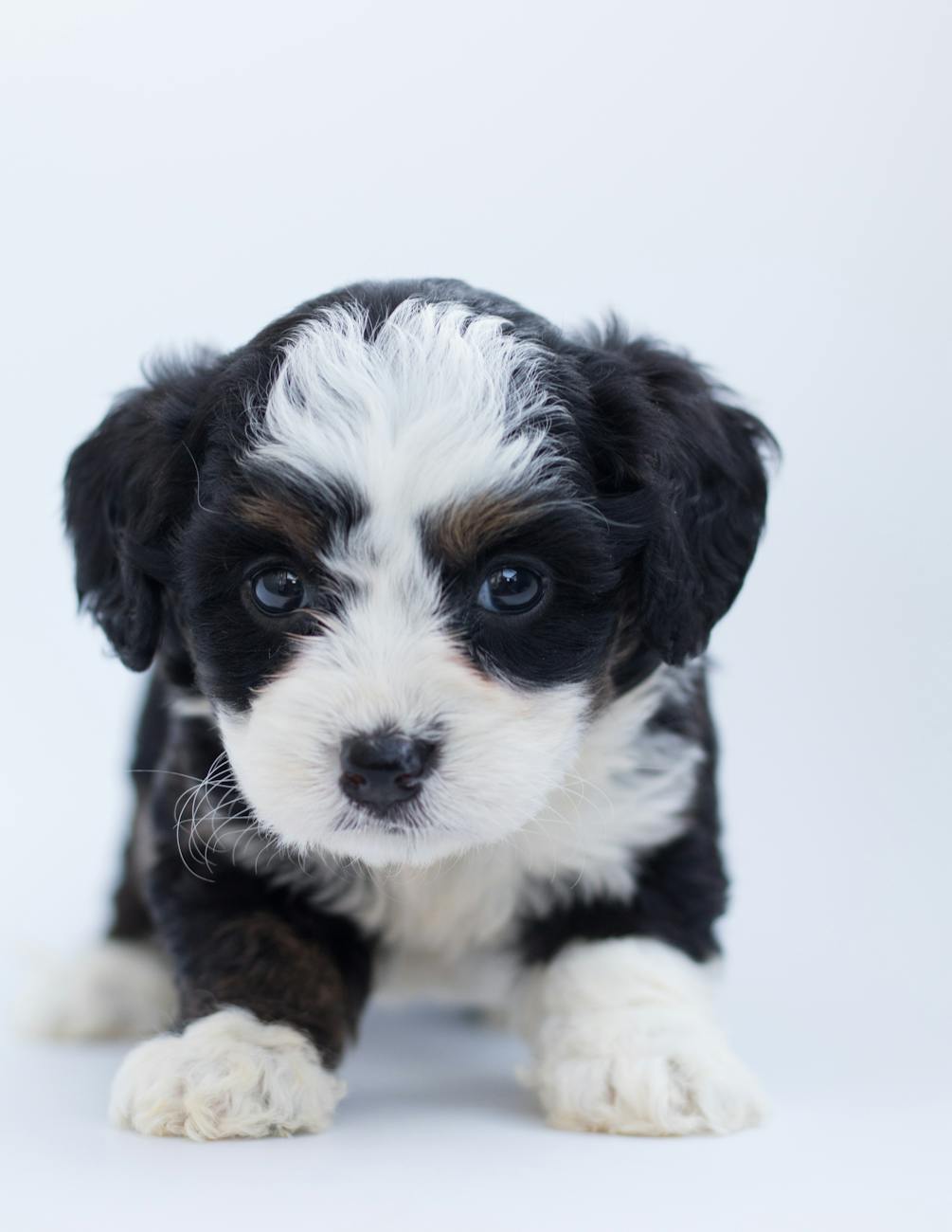
Families tend to gravitate towards small dog breeds for their children, but this is not an absolute truth. Small dog breeds can be very fragile and will be at a much higher risk of being injured due to being handled too roughly by children. In contrast to small breeds, large puppies may unintentionally knock over a younger child due to the size difference. These considerations can make or break a successful transition into your family.
The right breeds for children typically fall somewhere between the two extremes of being large or small. In general, dogs that have a well-constructed body type with a balanced frame are more likely to be a safer choice than dogs that are thin, delicate looking or overly muscular, when a family has children.
Be Realistic About Your Family’s Situation
One of the most frequently encountered issues is that of energy mismatch. Ask yourself these questions:
- Are we available to devote time daily for walks and play
- Do we have the means to train our puppy with consistent reinforcement
- Would we prefer to have a calm companion or a high-energy playmate,
Answering these questions makes it easier to get the proper fit for your family. Many high-energy breeds can be great additions for older children who are physically active and spend much of their time outdoors. Freshly adopted high-energy puppies can be frustrating and overstimulating for families with young children and busy schedules.
What Dogs Were Bred to Do and the History of the Breeds
In addition to providing insight into how dogs may behave, the history of dog breeds can provide insight into a puppy’s individual characteristics. Although every puppy is unique and has its own personality, genetics will have an impact on behavior. Here are some examples of canine behaviors based on breed:
- Herding breeds may be prone to nipping or chasing running kids, because that is what they were bred for
- Guarding breeds are typically more protective than other dogs, because that was the purpose of the breeding.
Dogs bred for companionship tend to excel within family structures as they are naturally inclined to interact with humans. Check out King Cavalier puppies for sale if you are interested in breeds with a reputation of being loving and safe around kids.

Endnote
Even though puppies tend to retain the same type of personality for quite some time, they do mature. Finding one that works for your family and the schedules involved is critical. Take your time choosing your puppy, and make sure to ask the right questions, so that you can pick a puppy based on both how it acts and its compatibility with you all.

 Mom on the go in Holy Toledo