
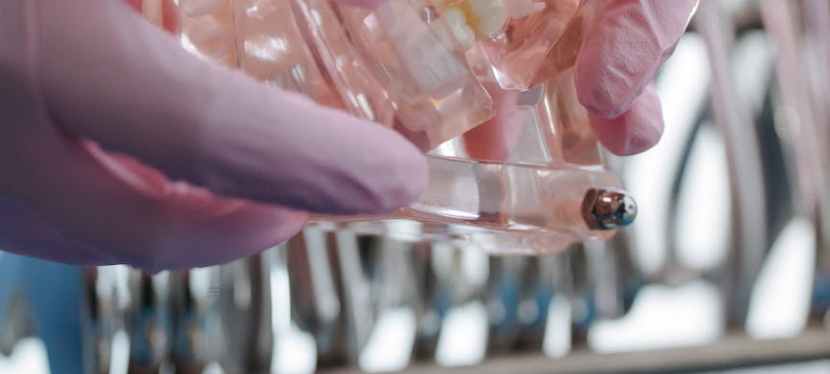
When it comes to oral health, early intervention can be crucial. Many parents wonder if their young children might need braces. While the typical age for orthodontic treatment is the pre-teen or teenage years, some conditions require attention at a younger age. Learn about several reasons a young child might need braces on their teeth.
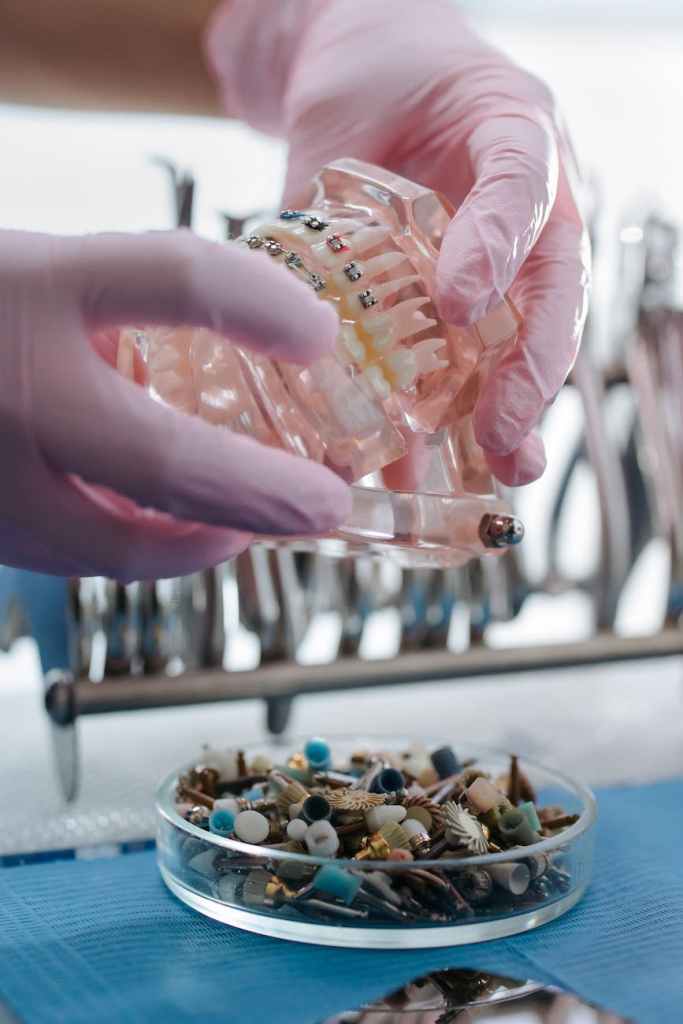
Malocclusion (Misalignment)
Malocclusion refers to the misalignment of teeth when the jaws close. This condition can lead to an overbite, underbite, or crossbite, which can all cause problems with eating, speaking, maintaining oral hygiene, and even breathing. Early intervention can correct these issues before they become more severe.
Mouth Breathing
Consistent mouth breathing might seem harmless, but it can lead to oral health issues. Children who favor mouth breathing can have poor tongue posture, which can affect jaw growth and teeth alignment. Mouth breathing can also indicate that enlarged adenoid glands are making it difficult for the child to breathe through their nose. If not addressed, this issue can result in long, narrow faces and gummy smiles in children. Braces, along with other treatments, can help correct the causes and help children breathe comfortably.
Crooked or Crowded Teeth
Even in young children, crooked or crowded teeth can create difficulties with chewing and teeth cleaning, leading to an increased risk of tooth decay and gum disease. Braces can straighten the teeth, making them easier to clean while enhancing the child’s smile.
Thumb or Finger Sucking
Prolonged thumb or finger sucking can lead to braces. These habits cause the teeth to push outward, leading to an open bite. Finger-sucking can also affect the roof of the mouth. Braces, along with habit-breaking appliances, can help rectify the issues caused by this behavior.
Noisy Jaw or Developing Facial Deformity
If a child’s jaw makes noises or looks out of proportion with the rest of the child’s face, it may indicate that the jaw isn’t developing correctly. The jaw may protrude or look recessed. Braces can help realign the jaw, reducing these symptoms.
Missing Teeth or Teeth Growing in the Wrong Place
Sometimes, a child might lose a baby tooth prematurely, or a permanent tooth might grow in the wrong place. Both issues can cause other teeth to shift, leading to misalignment. Braces can guide the teeth into their correct positions.
Many factors can indicate the need for braces in young children. If you notice any of these signs in your child, it is wise to consult a pediatric orthodontist. Advances in understanding children’s jaw development have led some orthodontists to recommend acting sooner, but others still think it’s best to wait until the tween or teen years. It never hurts to get a second opinion about early intervention and what you can do to prevent problems while promoting a healthy and confident smile for your child.

 Mom on the go in Holy Toledo