
The critical part of joining a water search and rescue team is meeting the job qualifications, learning fast, and knowing how to work as a team, especially in dire situations like a natural disaster. While you do need to know how to swim, there is a myriad of skill sets that can set your application apart. Make sure to read the qualifications first when you are applying, then read the rest of our blog on how to become part of a water search and rescue team.
Qualifications Needed
Strong Foundation in Water Safety
The Basics To Start Your Journey
Aspiring rescuers need a solid foundation before jumping into the deep end. Start your journey on the right track by practicing swimming, including exploring the environmental scope, since you’ll need to become comfortable swimming in different bodies of water. Also, make sure to certify yourself in first aid, CPR, and AED (automated external defibrillator). These skills, along with a valid driver’s license to operate a watercraft, ensure you understand what it takes to complete the job tasks.
Training Process
Rigorous Preparation
Meeting and Exceeding Standards
The training process for water search and rescue is easy to understand, but some find it difficult to complete. Qualified candidates undergo an initial screening process, take a water rescue foundational course, and are in good shape. This qualifying process isn’t to say you couldn’t pass the bar. However, it is highly encouraged to look at the training process and become familiar with the expectations.
Which Water Search and Rescue Courses Do You Need To Take?
Depending on the water rescue and search team, you may need to know how to do more than simple rescues on the beach. Other courses you may need include NFPA 1006 Water Rescue Technician (this is a requirement no matter what), covering boat operations, swift water, and ice rescue techniques. Also, consider taking specialized classes to improve your skill set. For example, taking a training course in underwater egress and helicopter underwater egress training (HUET) prepares individuals for scenarios involving submerged vehicles or aircraft.
Learning and Understanding Equipment
Essential Gear
Inflatable Water Rescue Boats and More
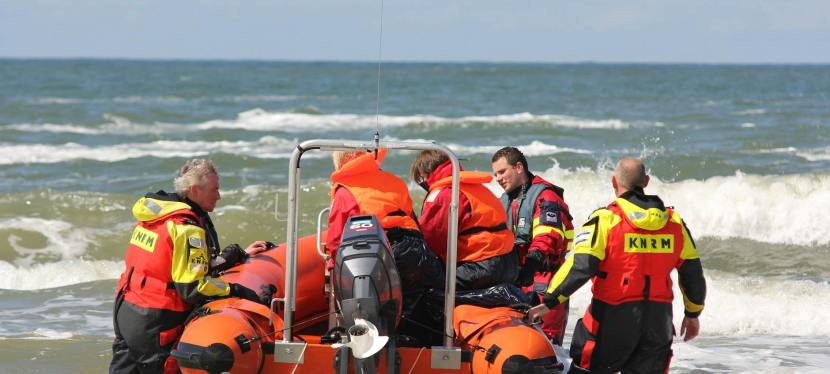
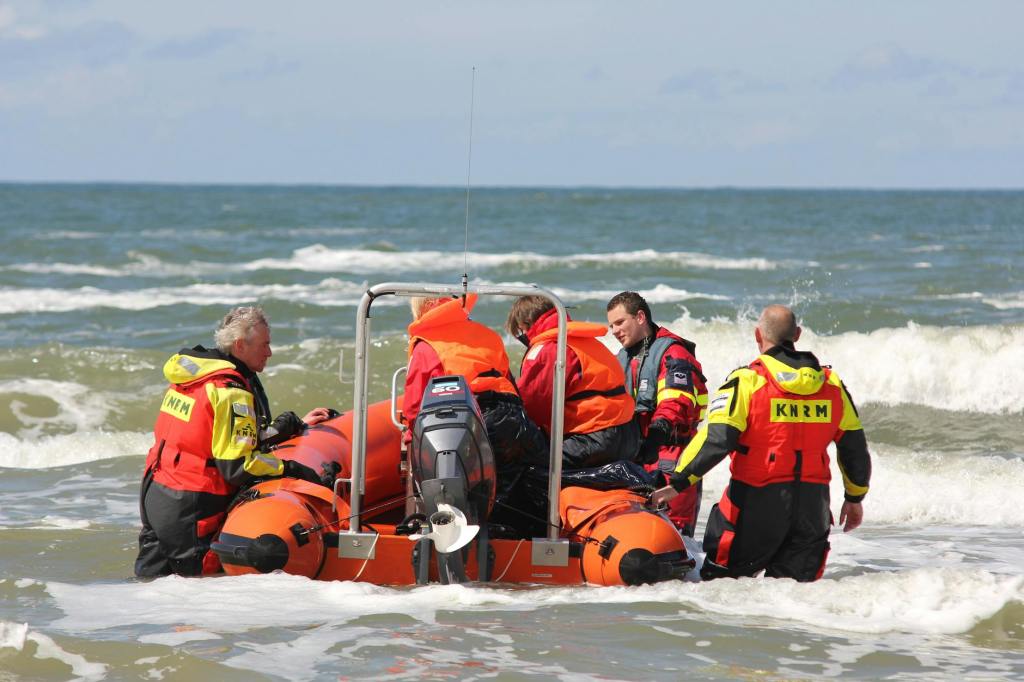
An essential part of the training involves mastering the equipment, notably inflatable water rescue boats, which are pivotal for many operations. Understanding how to effectively utilize, maintain, and maneuver these boats ensures rescuers can execute missions efficiently and safely. Additional gear training includes navigation devices, communication tools, and personal protective equipment (PPE).
Final Steps and Staying Updated
Stay Updated
Lifelong Commitment to Excellence
The last step for most qualified candidates is a certification exam. However, the learning doesn’t stop there. Ongoing education through workshops, refresher courses, and simulation drills is crucial to adapt to new methods and technologies. Also, committing to advancing your skills enhances team coordination in dynamic water rescue situations.
Becoming part of a water search and rescue team goes beyond just getting a title; it’s about committing to continuous skill improvement, teamwork, and, most importantly, a dedication to saving lives. Let this guide be your starting point if you’re ready to launch into this rewarding career.

 Mom on the go in Holy Toledo