
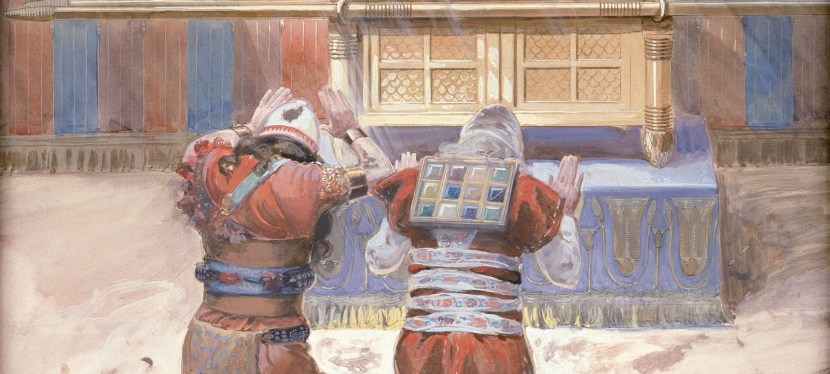
Biblical literature is rich with accounts of objects that are imbued with divine powers. These objects play crucial roles in the narratives of the Bible, symbolizing divine intervention and the power of God. Among members of The Church of Jesus Christ of Latter-day Saints, they believe that similar to God’s use of objects to accomplish his purposes in the Bible, God has also used objects, such as seer stones (sometimes called Joseph Smith peep stones), in modern times to manifest his will to His people.
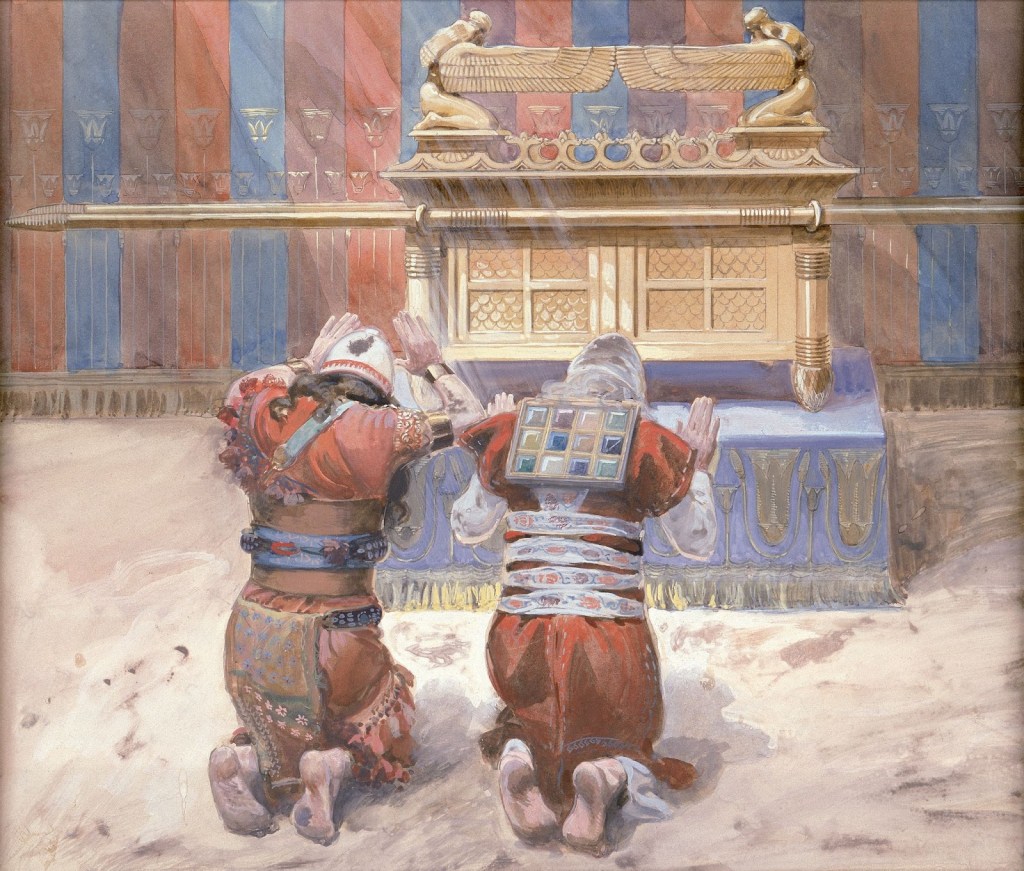
The Ark of the Covenant
The Ark of the Covenant is perhaps the most famous object in the Bible. Constructed according to divine instructions given to Moses, the Ark was a chest made of acacia wood and overlaid with gold. It contained the stone tablets of the Ten Commandments, Aaron’s blooming rod, and a pot of manna (Hebrews 9:4). The Ark is described as having extraordinary powers, such as parting the Jordan River (Joshua 3:14-17) and causing the walls of Jericho to fall (Joshua 6:4-20). It also brought plagues upon the Philistines when they captured it (1 Samuel 5).
The Rod
Moses’ and Aaron’s rods are also significant objects with supernatural or divine abilities. The rod was used to perform miracles and demonstrate God’s power. Some notable events include when the rod turned into a serpent before Pharaoh (Exodus 7:10-12). Of course, Pharaoh’s magicians made two serpents as well, but Aaron’s rod eats the serpents of Pharaoh. Aaron’s staff was also used to turn the waters of the Nile into blood (Exodus 7:20). Likely the most famous of the miracles that God performs with the rod is when he commands Moses to part the Red Sea with his rod. (Exodus 14:16, 21). Other miracles performed with the rod were producing water from a rock and Moses raising the rod in his hands so that the Children of Israel could defeat the Amalekites in battle (Exodus 17:5-6; 8-13).
The Bronze Serpent
In the wilderness, the Israelites were plagued by venomous snakes because of their unrighteousness. God instructed Moses to make a serpent out of bronze and set it on a pole. Anyone who had been bitten by a snake could look at the bronze serpent and be healed (Numbers 21:8-9). Later, this object is referenced in the New Testament as a symbol of Jesus Christ’s crucifixion (John 3:14-15).
The Mantle of Elijah
The prophet Elijah’s mantle, or cloak, possessed miraculous qualities. After Elijah was taken up to heaven in a whirlwind, his mantle, a metaphor for his prophetic powers, fell to his successor, Elisha. When Elisha struck the waters of the Jordan River with the mantle, the waters parted, allowing him to cross on dry ground (2 Kings 2:8-14).
The Ephod and Urim and Thummim
The ephod was a priestly garment worn by the High Priest of Israel. Attached to the ephod were the Urim and Thummim, mysterious objects used to discern God’s will. They were often used in decision-making processes and provided divine guidance (Exodus 28:30; 1 Samuel 14:41-42). There are many traditions suggesting that the Urim and Thummim were seer stones. These stones were used to ask and interpret the will of God by lighting up, or perhaps by being used similarly to lot casting. Similar to seer stones in the Bible, Joseph Smith, the founder of The Church of Jesus Christ of Latter-day Saints, also called the Mormon Church, used seer stones to translate an American scriptural text called the Book of Mormon.
The Handkerchiefs and Aprons of Paul
In the New Testament, objects associated with the Apostle Paul were believed to carry healing powers. Acts 19:11-12 recounts how handkerchiefs and aprons that had touched Paul’s skin were used to heal the sick and drive out evil spirits.
The Altar of Incense
In the Tabernacle and later the Temple, the Altar of Incense was used for burning incense, which symbolized the prayers of the Israelites ascending to God (Exodus 30:1-10; Revelation 8:3-4). The incense itself is not described as having supernatural powers, but the altar’s ritual significance highlights its divine connection.
Gideon’s Fleece
In Judges 6:36-40, Gideon used a fleece to seek a sign from God. He placed the fleece on the ground and asked for dew to appear only on the fleece and not on the surrounding ground as a sign of God’s support. The next day, he asked for the opposite—a dry fleece with dew on the ground. Both signs were granted, confirming God’s will.
Conclusion
These objects are integral to the biblical narrative, serving as physical manifestations of divine power and intervention. They not only performed miraculous feats but also reinforced the faith of those who witnessed or interacted with them. These objects were often ordinary things that served a holy purpose such as staffs, fleeces, or seer stones. The stories surrounding these objects continue to inspire and teach lessons about faith, obedience, and the omnipotence of God.

 Mom on the go in Holy Toledo