
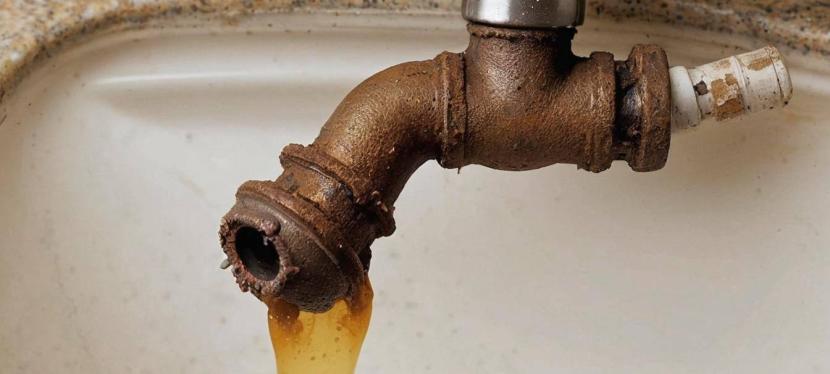
Facing a plumbing issue can stir up a mix of emotions—frustration, urgency, and sometimes a bit of fear. When water damage threatens your home’s safety, knowing whether to grab your tools or call in the pros can make all the difference. However, some common fixes, like replacing worn-out washers or unclogging drains, can not only save you money but also provide that rewarding feeling of mastering a challenge.
Yet, (according to the Anytime Plumbing website) while DIY plumbing offers many advantages, it requires careful consideration of your skills and comfort. This guide dives deep into easy-to-handle repairs and highlights when professional intervention is crucial. By pooling insights from experienced plumbers and hands-on enthusiasts alike, we’ve crafted an advisory that’s both informative and practical for any homeowner looking to balance cost-saving strategies with safety precautions.
DIY plumbing projects, such as unclogging drains, fixing minor leaks in pipes, or adjusting water heater temperature, can be suitable for individuals with some experience and the necessary tools. However, it is important to seek professional help for issues involving main water/gas/sewer lines, significant water pressure issues, or extensive alterations to the plumbing system. Always prioritize safety and local building codes when considering DIY plumbing tasks.

The DIY Approach to Plumbing
When it comes to taking on plumbing tasks around your home, several key factors come into play. Your own skill and comfort level with hands-on tasks will be a major determinant of which projects are suitable for you. If you’re relatively comfortable with basic tools and have successfully completed minor household repairs in the past, you might find certain plumbing tasks manageable.
However, it’s important to be honest with yourself about your abilities. While fixing a minor leak or unclogging a drain may fall within your skill set, more complex tasks such as altering the configuration of your plumbing system or working with gas lines demand a deeper understanding of plumbing systems. So, take stock of your skills and be realistic about what you can handle. Remember, it’s okay to ask for help or hire a professional for tasks that are beyond your expertise.
For instance, if you’ve successfully installed a new faucet or replaced a broken showerhead in the past without any issues, you might feel confident in your ability to tackle similar small-scale plumbing jobs.
If you’re unsure about where to begin with DIY plumbing, learning resources can be invaluable in gaining the necessary knowledge and confidence to undertake specific tasks. Online tutorials, books, and instructional videos abound, offering detailed guidance on various plumbing projects. Websites dedicated to home improvement provide step-by-step guides, tips, and troubleshooting advice tailored for DIY enthusiasts like yourself. Taking advantage of these resources can equip you with essential insights and techniques required for successful completion of your chosen projects.
Let’s say you decide to replace an old bathroom faucet with a more modern one. Seeking out online tutorials can offer clear illustrations and explanations that will greatly aid you as you navigate through each step of the process.
All in all, initiating DIY plumbing projects should be approached cautiously and responsibly. It takes an honest self-assessment of your abilities, coupled with the right knowledge and resources at your disposal, to ensure success and safety throughout the process.
As we move forward from the contemplative art of assessing one’s DIY capabilities, let’s now explore some examples of plumbing projects that strike the perfect balance between manageability and practicality.
Easy Plumbing Projects
When it comes to plumbing, there are tasks that you can handle on your own without calling a professional. With a little guidance, most homeowners can successfully complete relatively simple projects. Let’s take a closer look at some common easy plumbing projects and how you can tackle them.
Fixing a Leaky Faucet
A leaky faucet not only creates an annoying sound but also leads to water wastage and potentially higher bills. Most faucet leaks are due to worn-out washers, which can be replaced easily with basic tools. First, turn off the water supply to the faucet. Then, disassemble the faucet and replace the old washer with a new one. Ensure everything is put back together tightly but gently, and then turn the water supply back on to check for any leaks.
If you’re unsure about what type of washer to use or how to disassemble the faucet, consult the manufacturer’s instructions or look for online tutorials specific to your faucet model. With careful attention to detail, you can fix that frustrating drip and save money on your water bill!
Let’s break down this process even further:
- A set of screwdrivers
- A replacement washer
- Plumber’s grease
- Clean towels
The key to success is taking your time and being patient in identifying each part as you dismantle the faucet, making sure not to lose any small components like screws or washers.
Unclogging Drains
Another common issue that homeowners may encounter is clogged drains. Simple clogs can often be resolved using a plunger or a drain snake. Both these tools are inexpensive and effective. For minor clogs, start by creating a seal around the drain hole with the plunger, then push and pull it vigorously to help dislodge the blockage. For more stubborn clogs deeper in the pipes, a drain snake can be used to physically remove debris obstructing the flow of water.
Remember to wear gloves when handling clogs to protect yourself from coming into direct contact with any unsanitary substances. Also, be cautious with chemical drain cleaners as they can damage pipes over time if used too frequently.
Here’s an anecdote: Sarah had guests coming over for dinner when her kitchen sink suddenly got clogged. She quickly grabbed her plunger and after a few tries, she managed to fix the problem in no time. It saved her from an embarrassing situation and an emergency call to a plumber.
Replacing Shower Heads
Switching out an old shower head for a new one is straightforward and requires minimal tools, such as pliers and Teflon tape. Start by unscrewing the old showerhead using pliers while ensuring not to damage any fittings behind it. Once removed, wrap Teflon tape around the threads of the shower arm and then proceed to screw on the new shower head securely.
This quick swap can provide an instant upgrade to your shower experience—whether it’s improving water pressure or introducing water-saving features in newer models.
Installing a New Toilet
While it may seem complicated, replacing a toilet can be a manageable task for a DIY enthusiast with proper instructions. Before starting this project, ensure that you have all necessary parts and tools ready including a wax ring, bolts, and wrenches. Start by removing the old toilet carefully to avoid damaging the flange or surrounding flooring.
Remember to shut off water supply lines before detaching any fixtures. Once completed, inspect for any leaks after installation. This project requires meticulous attention to detail but can be rewarding once successfully completed.
These easy plumbing projects allow homeowners to take control of minor issues without needing immediate professional intervention, saving both time and money while enabling a sense of self-sufficiency in handling simple household repairs.
Moving beyond easy plumbing projects, there are complex issues that require expertise beyond the realm of DIY solutions.
Complex Issues Requiring a Professional
As much as we may feel equipped to handle minor plumbing tasks around our homes, certain situations demand the involvement of a professional. Let’s start by exploring the importance of plumbing code compliance.
Plumbing Code Compliance
When it comes to altering or installing new pipes, adhering to local building codes is crucial. These codes ensure that your plumbing system meets safety standards and functions optimally. Professionals have the knowledge and experience to navigate these regulations with precision, ensuring that the work is conducted in compliance with legal requirements, thus safeguarding your home from potential hazards. Without adhering to these codes, you run the risk of encountering problems in the future that could be both costly and dangerous.
Emphasize: Plumbing code violations can result in expensive fines and jeopardize your homeowner’s insurance coverage, making it imperative to engage a professional when significant alterations are required.
Sewer Line Repairs
The ramifications of issues with the main sewer line extend beyond property damage—they can pose serious health hazards. Repairing or replacing a damaged sewer line demands specialized equipment and expertise. This is not merely a matter concerning aesthetics or convenience; it involves addressing potentially harmful substances and contaminants. A professional plumber is equipped to mitigate these risks while efficiently resolving such complex sewer line problems.
Gas Line Plumbing
Gas lines carry the risk of gas leaks and explosions if not handled correctly. Any work involving gas lines should be executed by a licensed professional plumber who possesses the necessary certification and training to ensure safety and competency. It’s crucial to recognize that even seemingly minor errors in working with gas lines can have severe consequences. Therefore, entrusting gas line plumbing tasks to professionals is an imperative safety measure.
Major Water Heater Issues
Water heaters are intricate systems, particularly those that involve gas connections. Addressing complications related to water heaters requires a deep understanding of complex mechanisms and potential safety hazards. Professional plumbers possess the expertise necessary for accurately diagnosing issues, ensuring that repairs or installations comply with safety standards and operate efficiently.
The intricacies of these complex plumbing issues underscore the importance of relying on professional expertise rather than risking costly errors or compromising safety.
Moving forward, let’s discuss the essential tools needed for successful DIY plumbing repairs.
Essential Tools for DIY Repairs
When it comes to DIY plumbing, having the right tools is just as important as having the know-how. So let’s talk about what you should have in your toolbox to tackle those common plumbing issues at home.
Pliers and Wrenches
Think of these as the superheroes of your plumbing toolkit. A good set of adjustable pliers and wrenches are essential for tightening and loosening various plumbing fixtures and connections. The adjustable feature allows them to fit different sizes of nuts and bolts, offering versatility when working on different parts of your plumbing system.
Tape Measure
Accuracy matters when it comes to DIY plumbing projects. A tape measure helps ensure precise measurements for fittings and pipes, making sure everything fits together snugly without any leaks.
Teflon Tape
Also known as plumber’s tape, this thin white tape is a crucial component for sealing threads on pipe connections. It adds an extra layer of protection to prevent leaks in joints and connections, ensuring a watertight seal.
Pipe Wrench
No plumbing toolbox is complete without a heavy-duty pipe wrench. Its serrated teeth provide a tight grip on pipes, making it easier to turn and secure them during installation or removal. This tool is particularly useful for tackling stubborn or rusted pipes.
Plunger and Drain Snake
As any homeowner knows, clogged drains are a common nuisance. That’s where a trusty plunger and drain snake come in handy. These tools are essential for clearing clogs in toilets and drains, maintaining proper water flow and preventing backups.
Basin Wrench
Lastly, a specialized tool like a basin wrench can be a game-changer when it comes to working in tight spaces such as under sinks. It’s designed specifically for reaching fittings in cramped areas, making it an invaluable companion for sink installations and repairs.
Equipping yourself with these essential tools puts you in a strong position to handle common DIY plumbing tasks with confidence and precision. Having the right tools not only saves you time and frustration but also ensures that you’re well-prepared to address minor plumbing issues effectively.
Armed with these essential tools, you can confidently approach common DIY plumbing tasks at home. Now, let’s steer our focus towards the potential pitfalls—avoiding common mistakes in DIY plumbing.
Common Plumbing Mistakes to Avoid

When it comes to DIY plumbing repairs, some mistakes can lead to bigger problems down the road. Let’s explore and learn how to evade these common blunders.
Over-Tightening Fittings
One frequent error in DIY plumbing is over-tightening fittings, which can lead to leaks and damage. Knowing the correct torque for different types of fittings is crucial for successful plumbing repairs.
Imagine trying to open a jar: you know there’s a balance between twisting it just enough for it to open and twisting it too hard, possibly breaking the lid. It’s the same idea with fittings – they should be secure, but excessive force can do more harm than good.
Not Shutting Off the Water Supply
Before beginning any plumbing project, always remember to shut off the water supply. Neglecting this step can result in unexpected spurts of water and potential flooding, leading to significant water damage in your home.
Just as you would turn off the electricity before changing a light fixture, turning off the water is crucial before working on plumbing fixtures. It’s a simple step that can save you from a major headache later on.
Improper Use of Thread Tape
Using thread tape is a common practice when working with pipe connections. However, improper usage, such as using too little or too much thread tape, can lead to leaks.
Think of thread tape as a protective barrier – just like wearing a raincoat outside. You want enough coverage to keep water out, but not so much that it causes bunching and allows leaks to seep through.
Ignoring Local Building Codes
Local building codes exist for a reason – to ensure that plumbing work complies with safety and quality standards. Ignoring these codes can not only lead to legal issues but also result in costly repairs or alterations in the future.
Local building codes are like traffic laws – while they may seem restrictive at times, they exist for the safety and well-being of everyone involved. Adhering to these codes ensures that your plumbing work meets necessary standards.
Using Incorrect Tools
Utilizing incorrect tools for plumbing repairs can lead to damaged components and inefficiencies in the repair process. Each plumbing task requires specific tools for proper execution.
It’s like trying to use a screwdriver as a hammer – while it might work in a pinch, it’s not the right tool for the job and can cause more harm than good. Using the appropriate tools ensures precision and quality in your DIY plumbing endeavors.
Avoiding these common mistakes is crucial in ensuring successful DIY plumbing projects that don’t lead to further issues or costly repairs down the line. By being mindful of these pitfalls and taking proactive measures, you can effectively navigate through your plumbing tasks with confidence.
Now that we’ve covered common mistakes in DIY plumbing, let’s turn our attention to understanding essential safety precautions for home plumbing.
Safety Precautions for Home Plumbing

Plumbing projects can be both rewarding and risky without due consideration for safety measures. When diving into home plumbing tasks, you’re not just fixing pipes or installing fixtures; you’re also safeguarding your well-being. Let’s dive into some important safety precautions to keep in mind when taking on DIY plumbing projects.
Protective Gear: Shield Yourself
Before tackling any plumbing project, it’s essential to armor yourself with protective gear. Always wear gloves, goggles, and long sleeves to protect yourself from debris and chemicals. Gloves shield your hands from cuts, scrapes, and exposure to harsh chemicals, while goggles safeguard your eyes from flying particles or chemical splashes. In addition, long sleeves provide an extra layer of protection against any accidental spills or splatters.
Proper Ventilation: Breathe Easy
When working with chemical drain cleaners or wielding soldering tools, it’s imperative to ensure proper ventilation in the workspace. Adequate ventilation helps disperse fumes and odors associated with chemical products. It’s crucial to open windows and use fans to ventilate the area effectively. By doing so, you can minimize the risk of inhaling hazardous fumes and maintain a safe environment for yourself and others in the vicinity.
Shutting Off Power: Stay Safe Around Electricity
For any tasks near electrical components, such as lighting fixtures or water heaters, it’s imperative to switch off the power at the breaker box. This precautionary step helps prevent electric shocks and ensures your safety while working around potentially dangerous electrical elements.
To add another layer of security while dealing with electricity, consider using a non-contact voltage tester before handling any electrical components. These testers can quickly determine if a wire is live without direct contact, providing an invaluable safety check before initiating any work.
Proper Lifting Techniques: Protect Your Back
Moving heavy fixtures like toilets or water heaters requires careful consideration of proper lifting techniques. Always use your legs to lift heavy items and avoid putting unnecessary strain on your back. Alternatively, seek assistance when moving bulky fixtures to prevent injury and strain.
Handling Hazardous Materials: Recognize and Manage Risks
Handling lead pipes or asbestos insulation demands special care and attention to safety guidelines. Identify these materials properly and adhere to established safety protocols for their safe handling and disposal. Exposure to lead or asbestos can pose severe health risks, making it crucial to exercise caution when encountering these materials during plumbing projects.
In addition to personal protective gear, investing in a high-quality respirator may offer added protection when dealing with hazardous materials like asbestos or mold during plumbing renovations.
By keeping these essential safety precautions in mind, you can significantly reduce the risks associated with DIY plumbing endeavors. Committing to these measures ensures that your home improvement projects remain safe and successful, allowing you to address plumbing tasks with confidence and care.
Signs You Need a Plumber
When it comes to our homes, some signs are hard to ignore. Things like leaks and clogs can quickly catch our attention, but other issues may not be so obvious. Here are a few key signs that indicate you might need to call in a professional plumber for help.
Persistent Clogs
A clogged drain isn’t uncommon, and many times, it can be fixed with a plunger or a snake. However, if you notice that multiple drains throughout your home are slow or frequently clog, it could indicate a deeper issue within the main sewer line. This is beyond the scope of most DIY projects and requires professional intervention.
Not only can main sewer line issues cause inconvenience in the form of persistent clogs and slow drains, but they can also lead to unpleasant odors and even potential health hazards due to backed-up sewage. It’s crucial to address these problems promptly to prevent further damage.
Low Water Pressure
We’re used to a certain amount of water pressure when we turn on the tap or take a shower. So, if you notice significant drops in water pressure, it could point to leaks or blockages in your plumbing system that require professional diagnostics. While minor clogs at individual fixtures can often be addressed using DIY methods, system-wide pressure problems should be investigated by a professional plumber.
Low water pressure can hamper daily activities like showering, dishwashing, and laundry. Additionally, it may indicate underlying issues in the plumbing system that could lead to more extensive damage if left unattended.
Flooding or Water Damage
Visible water damage or flooding isn’t just an inconvenience; it’s potentially hazardous. It suggests a severed pipe or substantial leak that requires immediate professional attention. Attempting to resolve such issues without the necessary expertise could exacerbate the problem and result in costly structural damage to your home.
Imagine you come home to find a pool of water spreading across your floor because of a burst pipe. The urgency and complexity of dealing with such a situation underscore the importance of involving a professional plumber.
Unusual Noises
Banging or gurgling sounds coming from your pipes might not just be annoying; they could be indicative of trapped air or poor pipe installation. While simple tasks like tightening loose pipes or insulating them can often solve minor noise issues, more complex concerns require a professional evaluation.
Unusual noises, especially those persisting despite simple interventions, may signal underlying problems like improperly vented plumbing systems, which could lead to dangerous outcomes if not addressed correctly.
High Water Bills
A sudden spike in your water bill indicates more than just increased usage—it can signify hidden leaks in the plumbing system. These leaks aren’t always visible and may require a plumber’s expertise to locate and fix them effectively.
Even small leaks hidden behind walls can lead to extensive water damage over time. A higher-than-usual water bill could be the clue that prompts you to seek professional assistance in locating and repairing these imperceptible leaks.
These signs serve as indicators that your DIY efforts may not suffice, and professional assistance is needed to safeguard your home’s plumbing system from further damage.
Knowing when to handle plumbing issues yourself and when to bring in professional help is essential for maintaining the integrity of your home’s plumbing system and averting potential disasters.
What are the most common DIY plumbing projects that individuals can safely tackle themselves?
Some of the most common DIY plumbing projects that individuals can safely tackle themselves include unclogging drains, replacing faucet washers, and fixing leaky pipes. According to a survey conducted by the National Association of Home Builders, these tasks accounted for approximately 70% of all plumbing issues handled by homeowners. With proper guidance and safety precautions, individuals can successfully complete these projects without professional assistance, saving both time and money.
What skills or knowledge should someone have before attempting a DIY plumbing project?
Before attempting a DIY plumbing project, it is crucial to have a basic understanding of plumbing systems and their components. Familiarity with plumbing terminology, tools, and techniques is essential to ensure the project is completed effectively and without causing further damage. According to a survey conducted by HomeAdvisor in 2023, 40% of plumbing DIYers faced additional issues due to lack of proper knowledge, highlighting the importance of being adequately informed before undertaking any plumbing task.
How can individuals determine when a plumbing problem is beyond their scope and requires professional intervention?
Knowing when a plumbing problem is beyond their scope and requires professional intervention can be determined by considering a few key factors. Firstly, if the issue involves the main water supply line or sewer line, it is best to call in an expert as these can be complicated and require specialized knowledge. Additionally, if the problem poses a safety hazard, such as leaking gas or electrical issues, professional intervention is crucial. Finally, statistics show that attempting complex plumbing repairs without proper expertise often lead to costly mistakes; for example, according to a study by the Plumbing-101 Association, 78% of DIY attempts to fix major pipe leaks resulted in further damage.
What are the potential dangers or risks of attempting certain plumbing tasks without professional assistance?
Attempting certain plumbing tasks without professional assistance can pose potential dangers and risks. For instance, improper installation or repairs could lead to leaks, water damage, and mold growth in the long run. According to a report by the Insurance Information Institute, water damage claims accounted for 45% of all homeowners’ insurance losses in the United States between 2013 and 2017, with an average cost of $10,234 per claim. Additionally, there is a risk of exposing oneself to hazardous substances such as sewage, gas leaks, or harmful chemicals if not handled correctly. It’s essential to know when to DIY and when to leave it to the experts for safety and peace of mind.
Are there any resources or guidelines available to help individuals assess their abilities and decide if they should attempt a DIY plumbing project?
Yes, there are several resources and guidelines available to help individuals assess their abilities and decide if they should attempt a DIY plumbing project. One such resource is the Plumbing DIY Assessment Tool developed by the National Plumbing Association, which evaluates one’s knowledge, experience, and skills in plumbing repairs. Additionally, the Occupational Safety and Health Administration (OSHA) provides guidelines on safety precautions to be followed during DIY plumbing projects, ensuring individuals are aware of the potential risks involved. According to a survey conducted by HomeAdvisor, 45% of DIY plumbing projects require professional intervention due to misjudgment of difficulties or lack of proper tools and knowledge. Therefore, it is crucial to carefully assess one’s abilities before embarking on a DIY plumbing project to avoid potential mishaps.

 Mom on the go in Holy Toledo
I turn to pros for almost everything plumbing.