
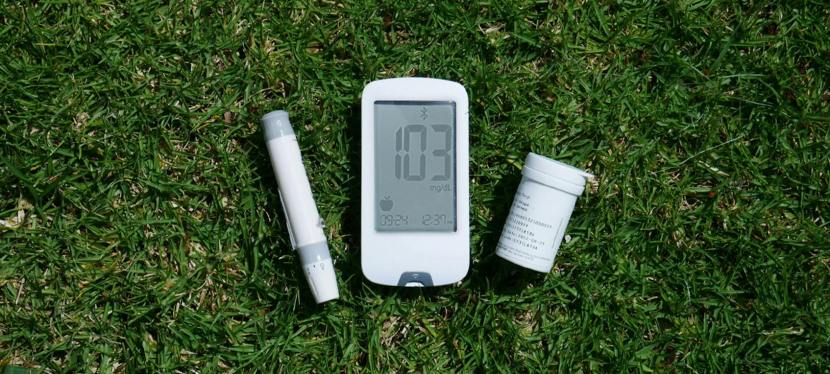
Packaging plays a crucial role in ensuring safety, compliance, and user satisfaction for medical devices. It’s not just about an aesthetically pleasing box; in the world of healthcare, effective packaging is necessary to ensure patient safety and proper treatment.
Healthcare business leaders must prioritize factors like durability, sterility, and user experience when developing packaging for their products. Read on to learn more about the most important tips for designing medical device packaging and how they affect businesses, doctors, and patients.
Regulatory Requirements for Medical Device Packaging
Before jumping into designs, you have to familiarize yourself with the regulatory landscape governing medical device packaging. Regulatory bodies, such as the Food and Drug Administration (FDA), have set guidelines that medical device manufacturers must follow. Compliance is a vital part of the product lifecycle that ensures the safety of users and patients alike.
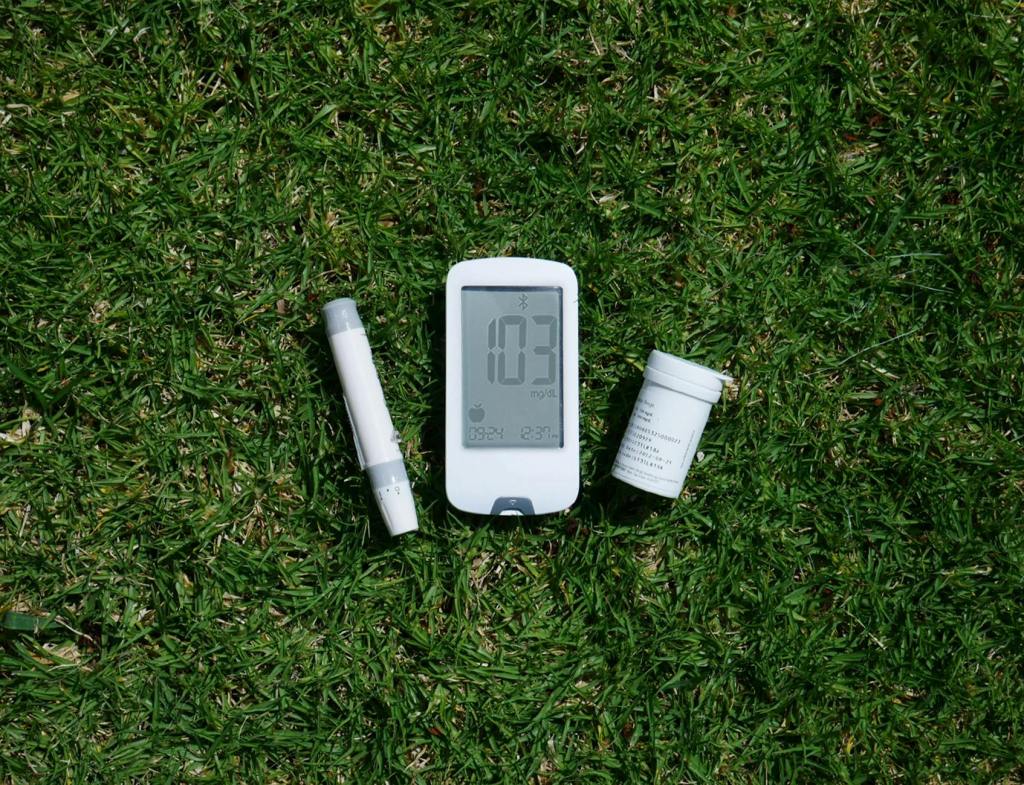
From household products, such as tweezers, to complex hospital equipment, medical device packaging designs undergo rigorous testing and validation processes to maintain device sterility and safety. By engaging with these standards early in the design process, healthcare businesses can avoid costly revisions later.
The Importance of Material Selection
Materials significantly impact both safety and usability, making them vital considerations when designing medical device packaging. The materials should not only protect the device but also be compatible with it. Look for materials that are approved for medical applications and are resistant to various environmental factors.
Additionally, consider sustainability. Eco-friendly packaging options not only appeal to environmentally conscious consumers but also meet regulatory expectations. By choosing materials wisely, you set the foundation for an effective and responsible packaging solution.
Packaging That Enhances User Experience
A user-friendly design simplifies the interaction between the healthcare provider or patient and the medical device. Think about how your target audience will interact with the packaging. Use clear, visual instructions that guide users through setup and usage. Employ intuitive designs that minimize the risk of user error.
Testing with actual users can provide valuable insights into how the packaging performs in the real world. This feedback loop can help to refine your design, making it easier for end-users to operate the device without confusion or frustration.

 Mom on the go in Holy Toledo