
Creating a sensory-friendly garden and play space for your children can be an enriching experience that blends fun, learning, and physical activity. Sensory play is essential for child development, enhancing cognitive skills, fine and gross motor abilities and encouraging creativity. Incorporating various sensory elements can provide a stimulating environment where children can explore, learn, and grow.
If you are wondering how to create the perfect outdoor space for your kids, this article will guide you. We will explore the importance of sensory elements, how to incorporate a rectangle trampoline, and the best accessories for a playhouse to build an inviting and inclusive garden space.

Why Create a Sensory Garden?
Through thoughtful landscaping and activities, a sensory garden stimulates your child’s senses—sight, sound, smell, touch, and sometimes taste. Unlike traditional gardens, sensory gardens are interactive spaces that engage children in different ways. The aim is to make the area accessible and inclusive, offering something for children of all abilities and needs. Whether your child enjoys running around, climbing, or touching different textures, a sensory garden allows them to discover at their own pace.
Start with the Layout
When planning the layout of your sensory garden, consider the available space and how you want to divide it into various zones. A good design ensures children can flow seamlessly between quiet, reflective areas and active play zones. Start by mapping out where you want to place key features like a playhouse, climbing structures, or a trampoline. A clear, organised layout allows children to move safely between activities.
Incorporate a Rectangle Trampoline
One of the most popular additions to any play space is a trampoline. A rectangle trampoline is ideal for both sensory and physical development. Its elongated shape gives children more room to jump and move in different directions, making it perfect for games that encourage spatial awareness and coordination. Unlike a round trampoline, the rectangle shape offers consistent bounce across its surface, which is excellent for children who may have balance or coordination challenges.
Additionally, trampolines offer more than just fun—they are excellent for sensory input. The feeling of bouncing up and down engages the vestibular system, which helps with balance and movement control. This is especially beneficial for children with sensory processing needs. Be sure to choose a trampoline with safety nets and padding to minimise risks.
Create a Calming Zone
A sensory garden is about active play and creating calming spaces where children can relax and recharge. Adding natural elements like trees, shrubs, and plants with different textures and smells will create a peaceful atmosphere. Flowers like lavender, mint, or rosemary are excellent choices, as their scent promotes relaxation.
Consider building a small seating area with soft outdoor cushions or bean bags, where your child can sit quietly and observe nature. Sensory pathways, made from different materials like pebbles, sand, or grass, can also provide tactile stimulation and offer a calming sensory experience.
Choose the Right Accessories for a Playhouse
A playhouse is a fantastic way to enhance imaginative play, offering children a space to role-play and explore their creativity. But it’s the accessories for a playhouse that will take the experience to the next level. When selecting accessories, think about items that add sensory value and fun to the space. Here are some ideas:
- Tactile Panels: These can be attached to the inside or outside walls of the playhouse, featuring materials like felt, sandpaper, or rubber for children to touch and explore.
- Wind Chimes or Musical Panels: Add sound elements to your playhouse by installing wind chimes or musical instruments. Children can create their own melodies while being exposed to different tones and rhythms.
- Climbing Wall or Ladder: For an added physical challenge, consider attaching a small climbing wall or ladder to the side of the playhouse. This will help develop motor skills and strength while providing a fun activity.
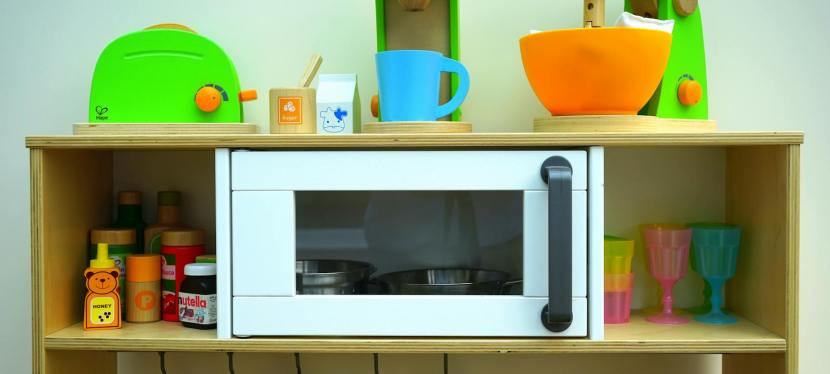
- Outdoor Kitchen Set: Encourage imaginative play with a mini outdoor kitchen set, allowing children to pretend they’re cooking or gardening. Plastic utensils, pots, and pans make it easy for them to engage in sensory play.
Keep Safety in Mind
Safety should always be a priority when designing a garden for sensory play. Ensure that all play equipment, including trampolines and climbing structures, is well-maintained and age-appropriate for your child. Installing soft surfaces, such as rubber mats or mulch, underneath play areas can reduce the risk of injury from falls. Additionally, check that any accessories for the playhouse are securely attached and free from sharp edges.

Conclusion
Creating the perfect sensory garden and play space for your children doesn’t have to be complicated. You can build a fun, engaging, and inclusive outdoor environment by incorporating a rectangle trampoline, carefully selecting accessories for the playhouse, and designing calming areas with natural sensory elements. Whether your child enjoys bouncing, climbing, or simply observing nature, a well-designed sensory garden offers endless opportunities for exploration and development. With the right planning and thoughtful design, your garden can become a haven of sensory-rich experiences tailored to your child’s unique needs and interests.

 Mom on the go in Holy Toledo