
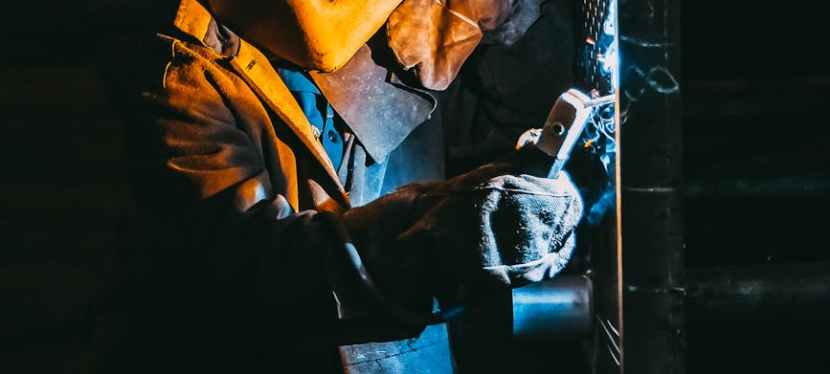
The welding industry has seen ongoing advances in automation reshaping how professionals approach their work. For women in welding, these changes present both challenges and opportunities. From improving work conditions to streamlining complex tasks, automation has an impact on job trends and career prospects in the field.
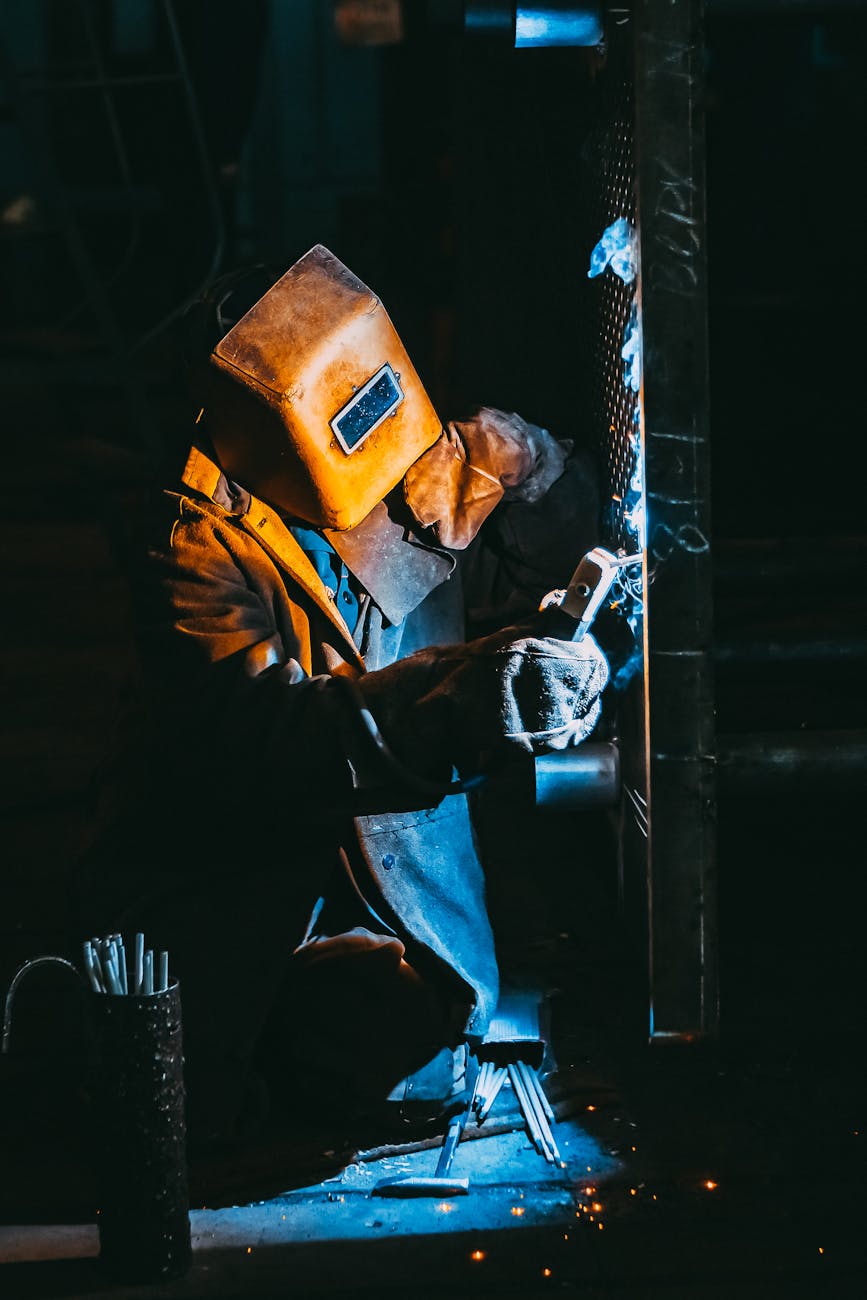
Better Efficiency, Fewer Physical Demands
For decades, welding required significant physical effort, but automation is changing that, especially in high-intensity tasks like pipe spool welding. Modern mechanized systems make these jobs more efficient and reduce bodily strain.
Women welders in industrial projects especially benefit from less physical stress. Automated tools let workers focus on precision and control rather than brute strength, emphasizing skill over endurance. This technology makes welding more accessible and a viable long-term career for many.
Changing Job Expectations
While automation offers benefits, it also shifts job expectations. Many tasks traditionally performed by hand are now executed by machines. The role of automation in pipe spool welding stations is an example of how welders must manage and understand this equipment, instead of solely performing hands-on welding.
Women in welding must adapt to this evolving landscape by learning to operate and maintain these advanced tools. Training programs and certification courses can enhance familiarity with automation, positioning workers to thrive in roles that require both technical proficiency and welding expertise. This changing skill set also increases demand for specialized positions, such as equipment technicians or automation specialists, letting welders diversify their career options.
Opportunities in High-Tech Welding
Automation creates new opportunities for women in welding by blending traditional skills with tech-focused roles. Positions like programming robotic welders and managing automated equipment are prime examples.
Instead of eliminating jobs, automation diversifies them to open pathways for high-level positions in quality control and technology management. As companies adopt these solutions, demand for welders with hybrid skills is growing, offering women the chance to lead and thrive in a changing industry.
Building a Competitive Skill Set
Adapting to automation’s impact on job trends starts with improving skill sets. Investing in training programs that cover automated welding or robotic machinery puts women welders ahead of the curve. Clearing certifications in advanced manufacturing technology and understanding automated systems gives welders a competitive edge.
Educational resources, such as those offered by technical colleges and industry programs, are also ramping up to support this new demand. These institutions know the value of combining theoretical learning with application in preparing workers for automation-driven environments.
What It All Means
Automation is reshaping the welding industry at every level. Women welders can increasingly benefit from these advancements. By merging traditional skills with proficiency in respective systems, professionals in the field can unlock broader opportunities that yield stable, rewarding futures. The next phase of welding is already here, and those who prepare to meet it head-on can define the future of this growing industry.

 Mom on the go in Holy Toledo