
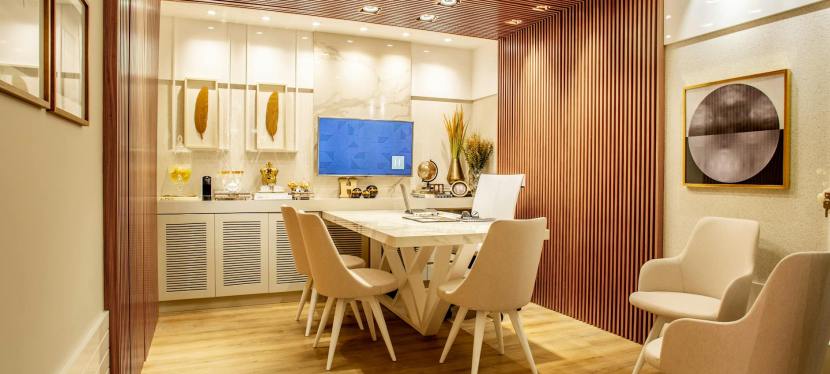
Lighting plays a bigger role in your home than you might think—it affects everything from safety to mood and energy efficiency. Whether you’re remodeling or just swapping out bulbs, getting your lighting right can make a huge difference. In this post, we’ll walk you through the most common critical errors to avoid with lighting and how to create a well-lit space that’s both functional and inviting.
Not Taking Advantage of Natural Light
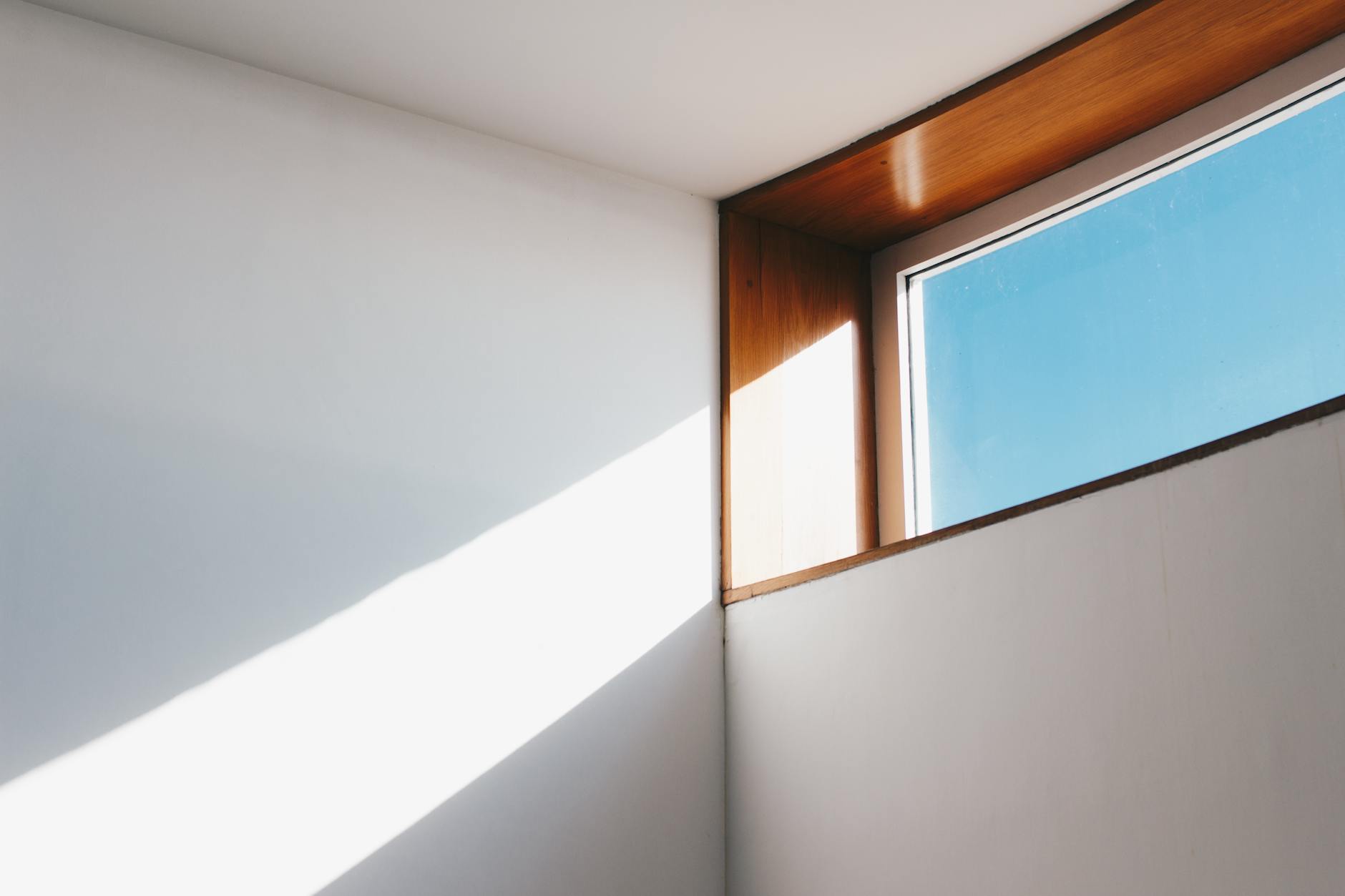
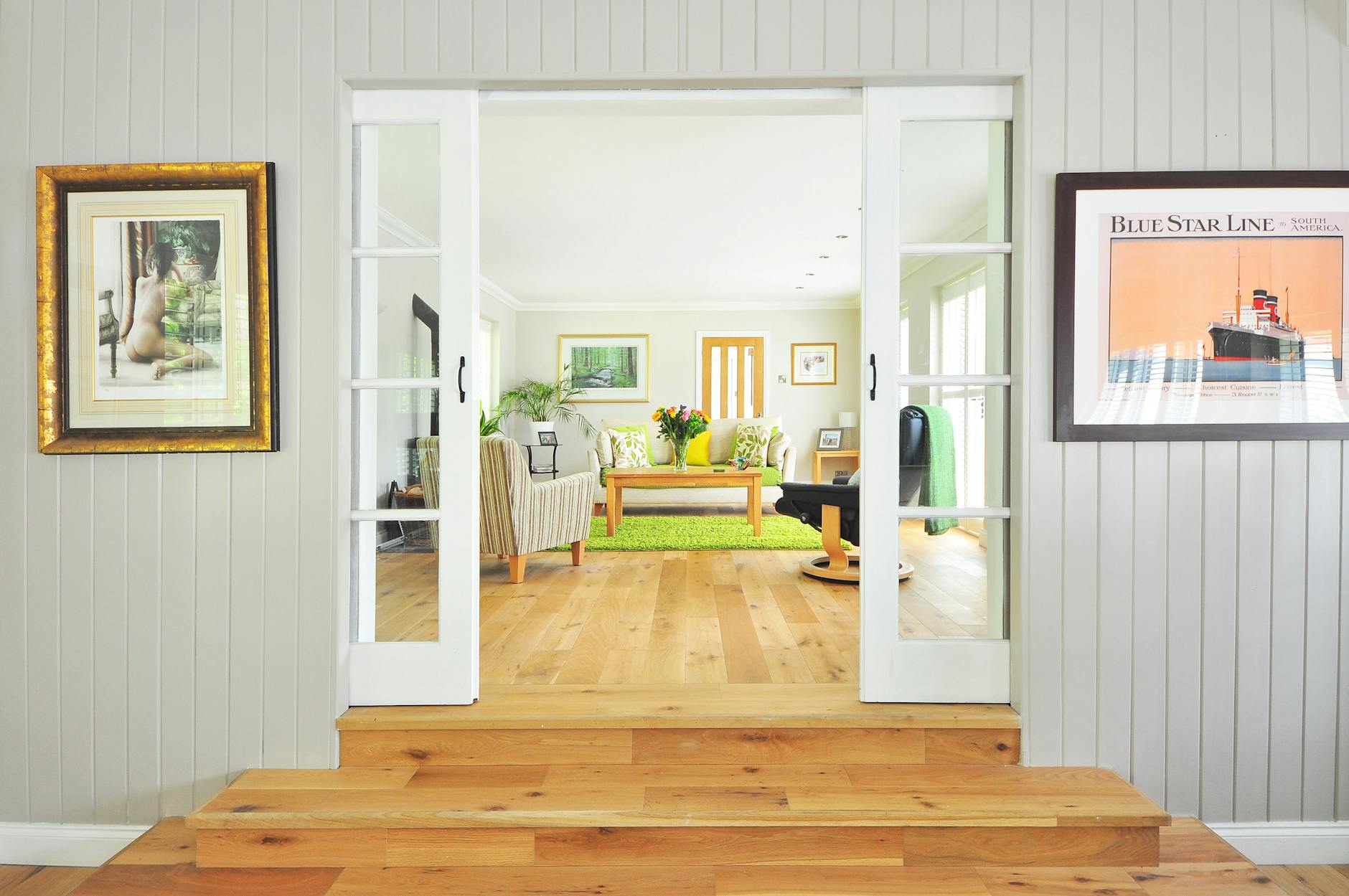
First of all, don’t forget to take advantage of natural sunlight in your interiors! Sunlight can have a wonderful effect on your mood as well as the overall appearance of each room, nook, or cozy corner.
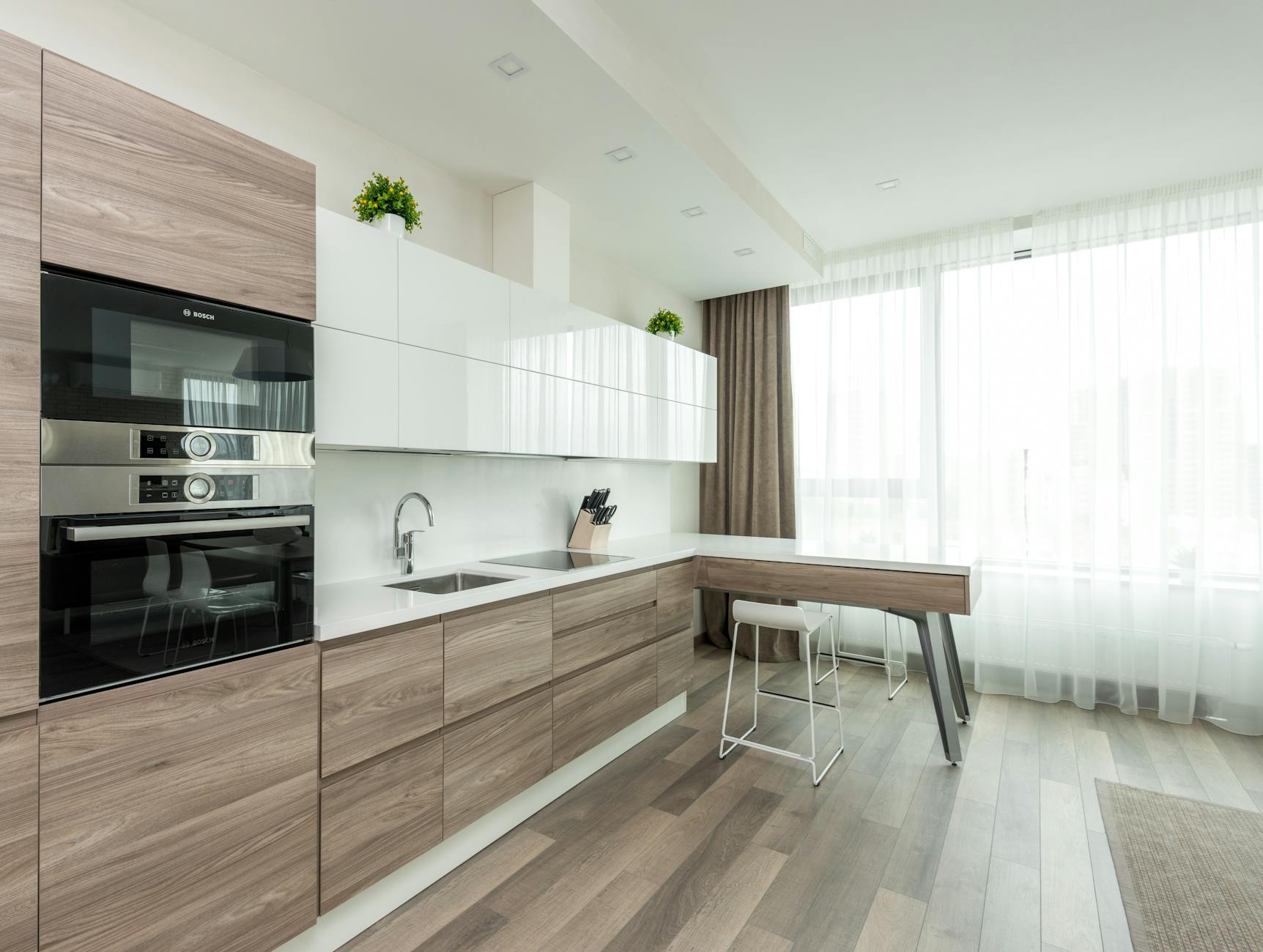
For example, letting in more light is a great way to make a small kitchen look more open. Letting more natural light into your home brightens your space, boosts your mood, and helps reduce energy costs during the day.
Ignoring Color Temperature
Overlooking the color temperature of light sources often leads to mismatched or uncomfortable lighting. The wrong temperature can create harsh contrasts or leave rooms feeling off-balance.
For example, having overly cool lighting in cozy settings, such as bedrooms, can feel sterile, while warm-toned bulbs in work-focused areas may reduce effectiveness. Different spaces require different temperatures, so it’s important to select your light bulbs thoughtfully.
Too Little Light
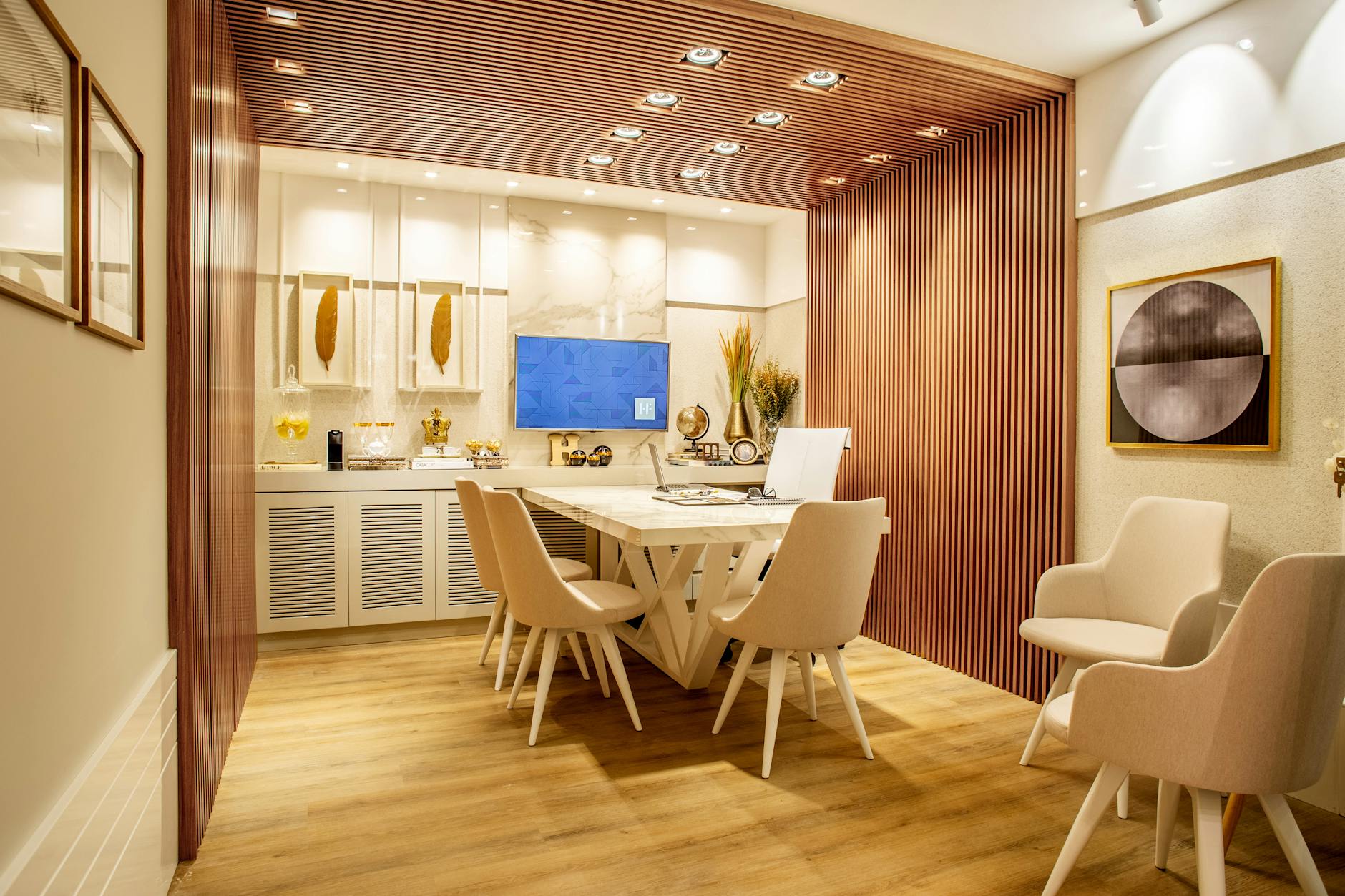
Too little light in your home can make rooms feel gloomy, cramped, and even a bit depressing. It can strain your eyes, especially when reading or working, and may even affect your mood over time. A well-lit space just feels better to be in—more open, comfortable, and welcoming.
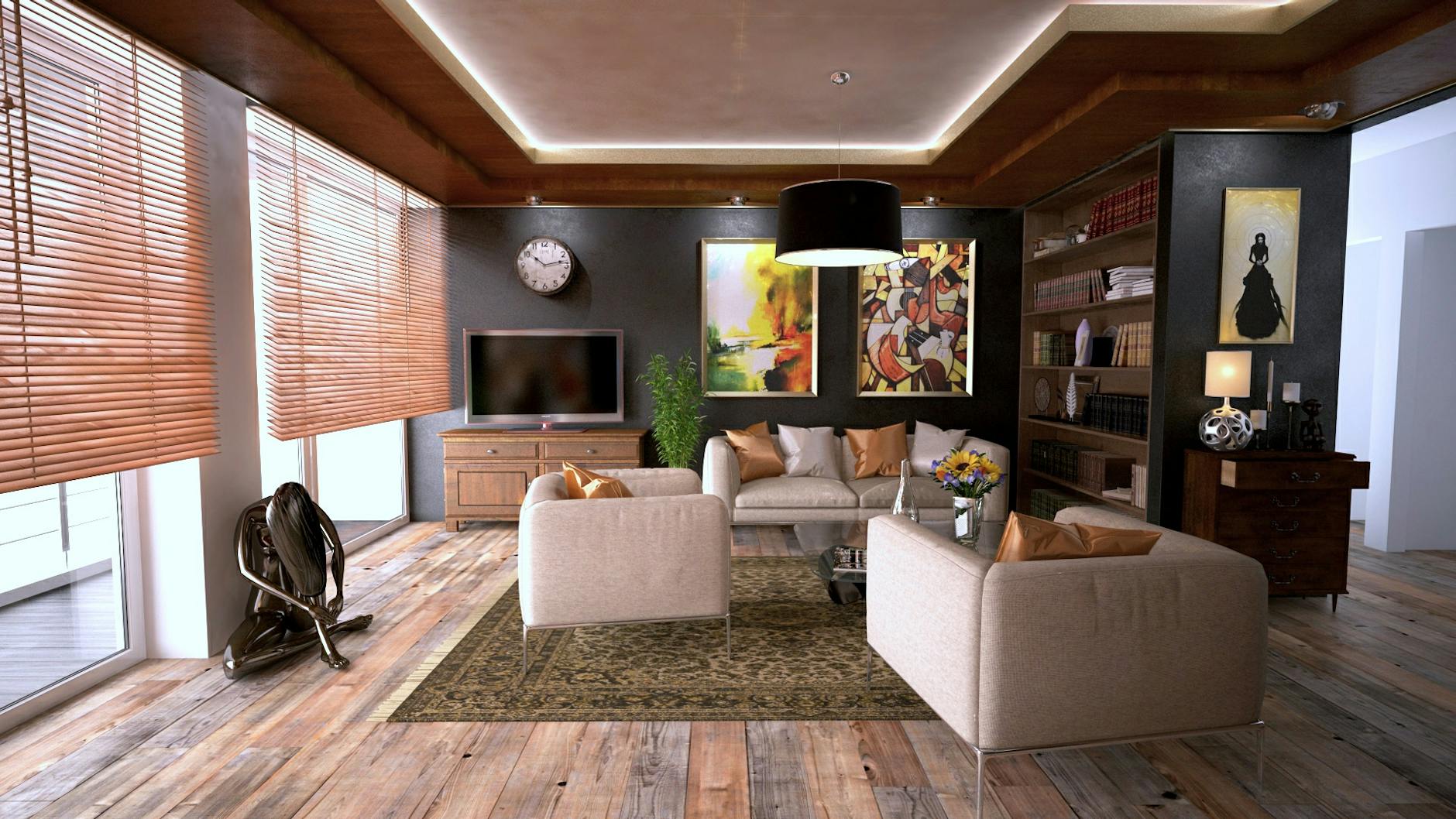
Relying solely on ceiling-suspended lights is a common mistake people make with lighting. Overhead lights are insufficient to brighten every part of large or uniquely shaped spaces, making it difficult to use them fully. Incorporating additional layers of light, such as floor lamps and task lighting, fills gaps and brightens areas where overhead fixtures fall short. Thinking strategically about where lighting is needed will keep your spaces versatile and eliminate shadows.
Disregarding Energy-Efficient Options
Traditional lighting choices often lead to higher energy bills and fewer long-term benefits. However, using modern bulbs such as LEDs can significantly reduce your overall consumption and allow you to enjoy cost savings.
These bulbs provide consistent performance without frequent replacements, which proves helpful when managing a home. Energy-saving choices also come in various forms that suit decorative and functional needs, so thinking long-term while choosing lighting solutions benefits both budgets and households.
Skipping the Use of Dimmers
A common mistake in lighting design involves overlooking dimmers as a tool for elevating lighting control. Dimmers add versatility by allowing homeowners to adjust the brightness of their lights as needed.
This feature creates relaxing environments for evening downtime, brightens rooms for productivity, or subtly provides extra light during meals. Adding dimmer switches makes spaces feel tailored to changing needs, enhancing both functionality and style.
Good lighting isn’t just decorative, but fundamental to the comfort of a home. Avoiding these common mistakes transforms your home into a functional and welcoming sanctuary. Let lighting elevate each room to meet your family’s day-to-day needs.

 Mom on the go in Holy Toledo