

Creating a sensory-friendly sleep space at home can make a world of difference for children who face challenges with overstimulation, such as those on the autism spectrum. Creating a cozy sleep environment can make life a little easier for many moms, especially those juggling work and family, while helping their kids thrive.
Here are some simple tips to get started!

Control the Lighting
Bright, harsh lighting can overstimulate children and make it harder for them to relax. Try using lamps or dimmable light fixtures for a softer glow to create a more calming atmosphere.
A warm, gentle light signals the brain that it’s time to wind down and get ready for rest. For an even more restful environment, add blackout curtains to block out external light, especially during naps or early mornings.
Reduce Noise Distractions
Noise disruptions can keep children awake or make it difficult for them to fall asleep. Noise machines with calming sounds, such as rain or ocean waves, can create a consistent and soothing background.
Thick rugs or carpets could provide an added layer of soundproofing if street traffic and other road sounds are a concern. You can also look for noise-canceling solutions, such as foam panels or white noise apps, to further maintain a quiet environment.
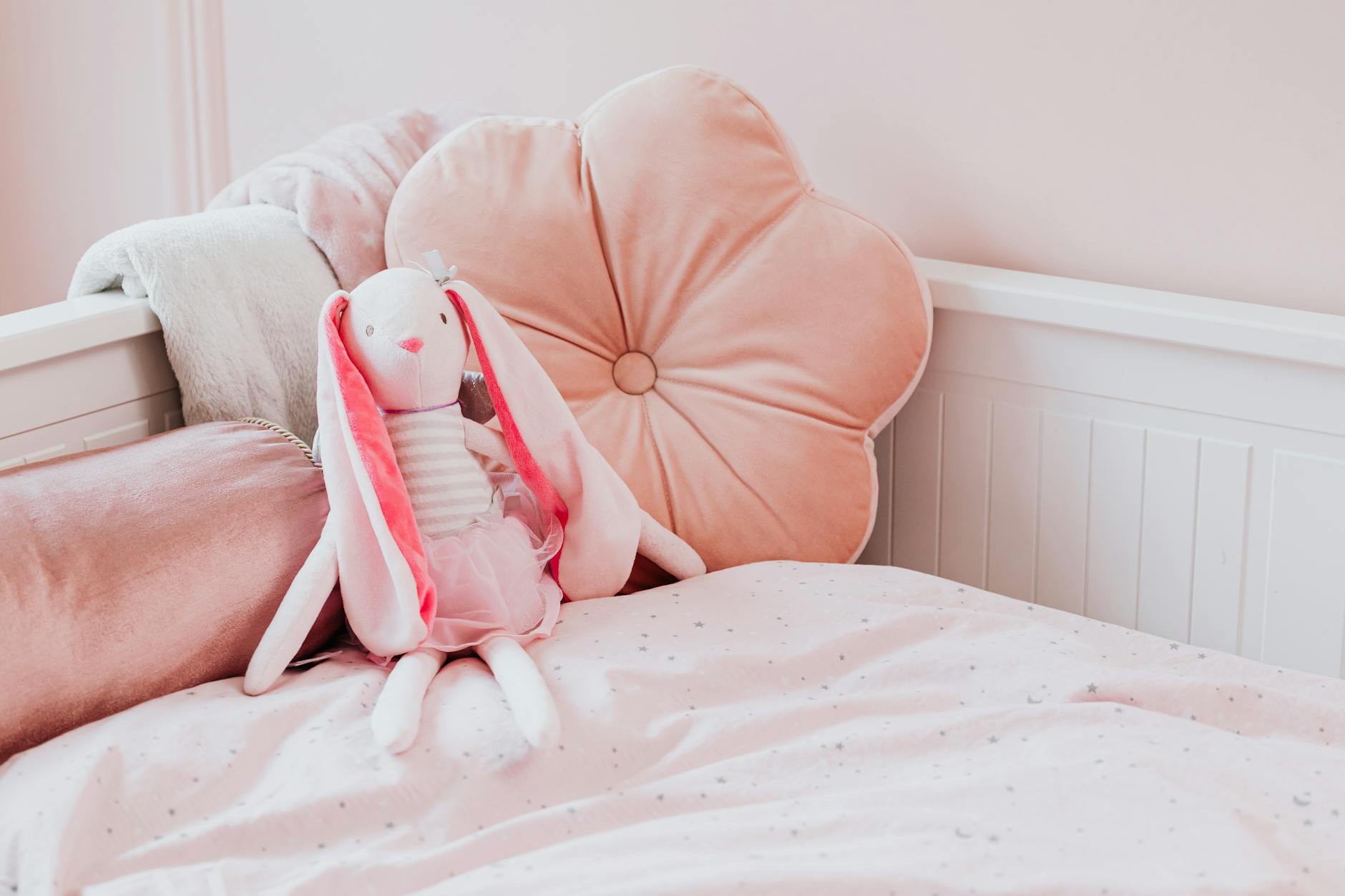
Add Comforting Textures
The textures of blankets, pillows, and sheets play a bigger role than we often acknowledge. Children with sensory sensitivities may prefer soft, plush materials or silky fabrics over scratchy or rough bedding.
Choose breathable cotton sheets or weighted blankets, which provide a calming, gentle pressure for added comfort. Consider your child’s preferences for texture and temperature when selecting bedding to ensure a restful sleep.
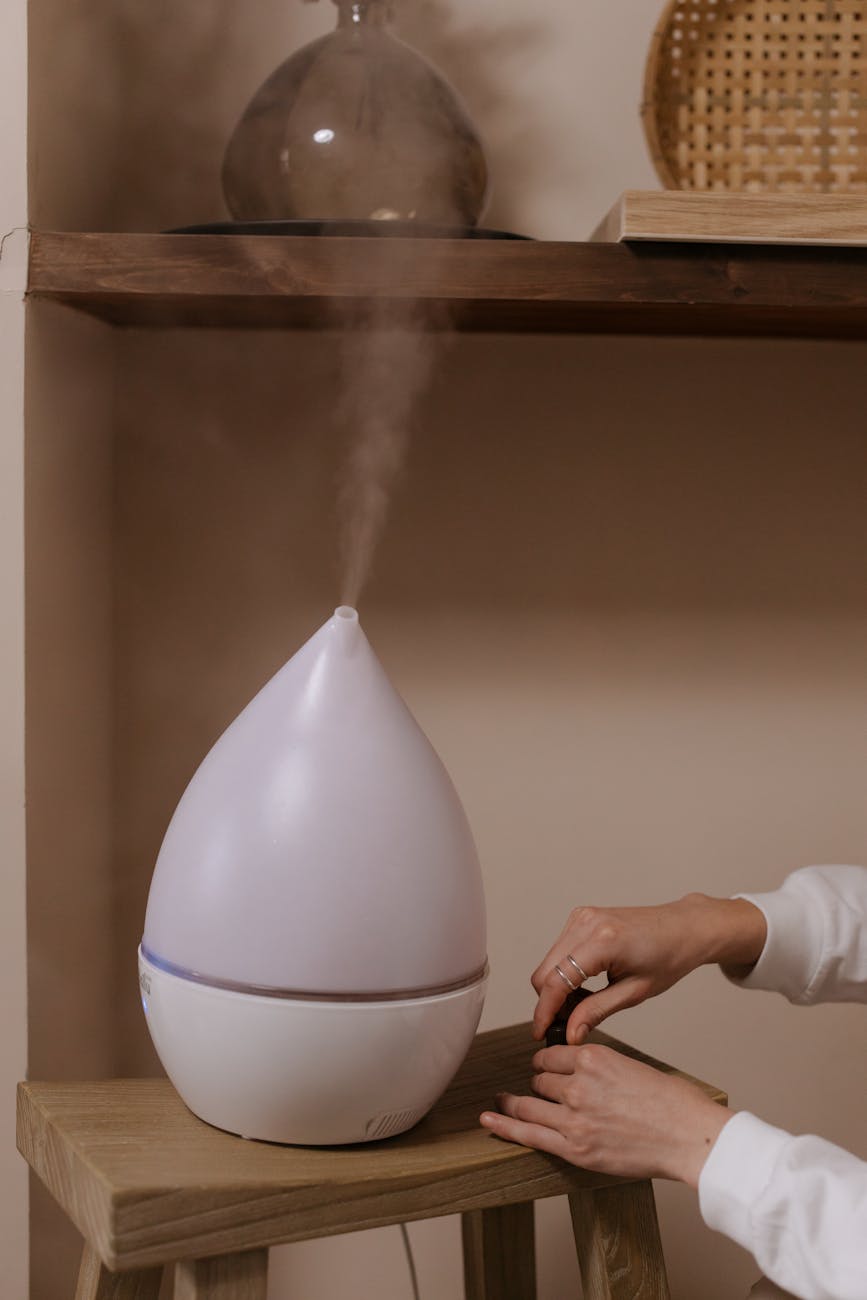
Establish a Familiar Sleep Routine
Consistency in bedtime routines helps the body signal that it’s time to rest. Incorporate comforting elements into the wind-down period, such as gentle stretches, special storybooks, or even calming aromatherapy, such as lavender, if your child reacts well to scents. A consistent sleep schedule helps them feel secure and reinforces healthy habits.

Include Calming Decor and Colors
The colors and decor in a sleep space have a profound impact on mood. Avoid bright, bold colors, such as red or orange, which can signal energy. Blues, greens, muted pastels, and other cool colors promote a sense of calm.
Simple decor with minimal clutter also keeps the environment visually relaxing. Keep it personal by incorporating items your child loves, such as a favorite stuffed toy placed where they can easily see it while lying in bed.

Use Specialized Therapies and Strategies
Don’t hesitate to explore additional tools if sleep issues persist, such as ABA therapy, which can assist with sleep. Behavioral therapy can pinpoint patterns or barriers to restful nights and provide strategies tailored to your child. Parents can apply simple techniques from this approach at home.
For instance, creating a consistent bedtime routine, using visual schedules to help the child understand bedtime expectations, or implementing positive reinforcement for staying in bed can make a big difference. Sleep challenges often have deeper triggers, and these practical strategies from ABA practitioners can make bedtime more manageable for everyone involved.
Creating a space that fosters calmness and security plays an integral role in improving your child’s sleep. A thoughtfully designed sensory-friendly sleep space at home provides the serenity children deserve, making it easier for moms to also enjoy smoother, quieter evenings.

 Mom on the go in Holy Toledo