
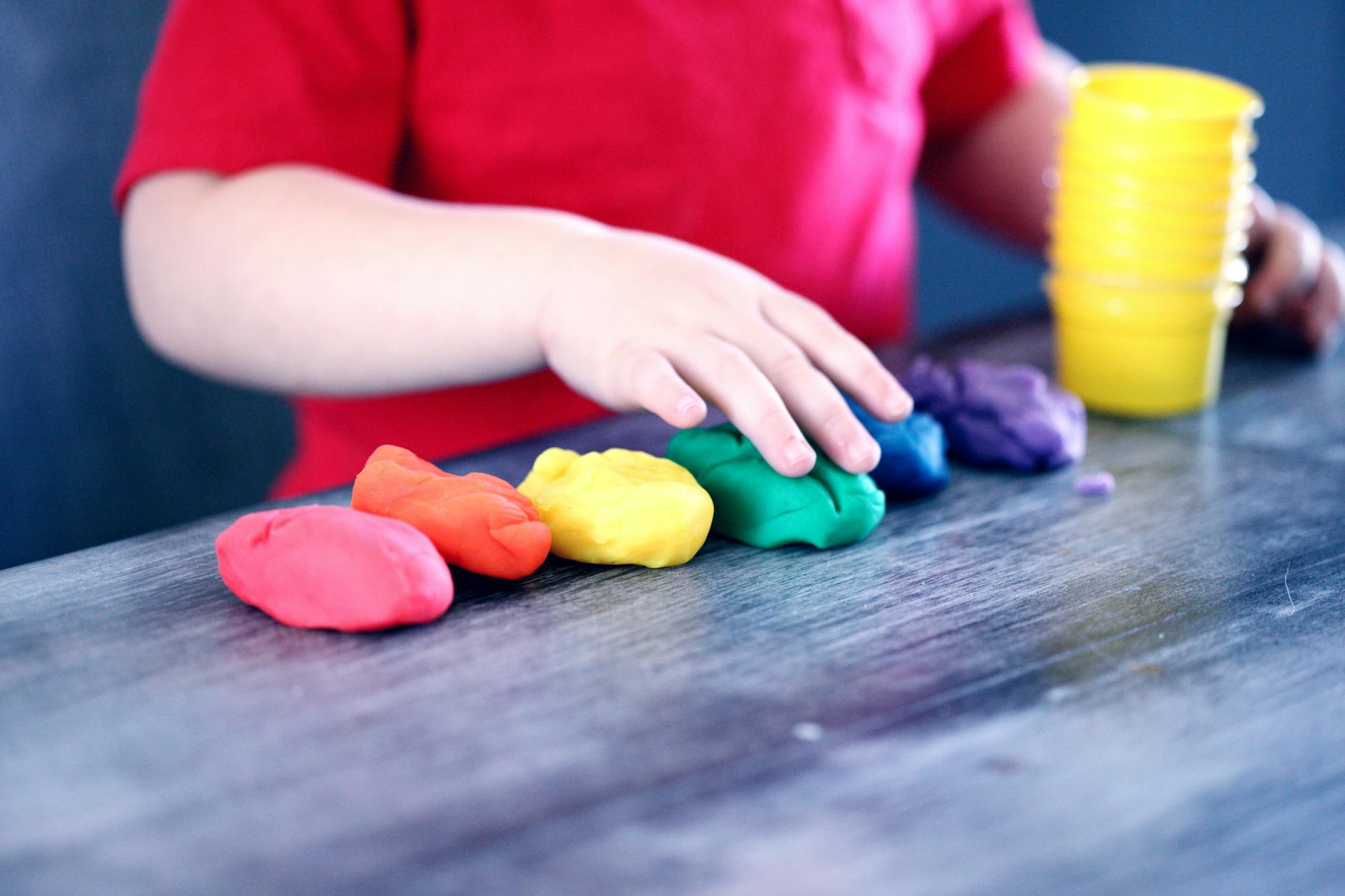
Strong hands play a vital role in how children grasp pencils, cut with scissors, and manage everyday tasks. Occupational therapy often uses playful yet purposeful activities to build hand strength and coordination. Hand strengthening activities in occupational therapy give children the tools they need to improve fine motor skills and increase independence in daily life.
A pediatric occupational therapist may introduce exercises that look like games but target grip, pinch, and finger control. From squeezing putty to using tongs, these activities strengthen small muscles while keeping children engaged. The goal is to make practice enjoyable so progress feels natural.
Developing hand strength supports more than writing—it also helps with dressing, eating, and play. When children build these skills early, they gain confidence in both the classroom and at home, setting a strong foundation for future learning.
Key Takeaways
- Hand strengthening builds essential fine motor skills for daily tasks
- Occupational therapy uses playful, structured activities to develop hand strength
- Stronger hands support independence and confidence in children
These suggestions are educational and not a replacement for therapy prescribed by a qualified professional.
Essential Hand Strengthening Activities in Occupational Therapy
Children build stronger hand muscles through purposeful activities that target grip strength, pinch control, and finger isolation. These exercises support fine motor skills needed for writing, self-care, and tool use in daily routines.
Play-Based Hand Strengthening Exercises
Play-based activities encourage children to strengthen their hands while staying engaged. Using building blocks, playdough, or theraputty helps develop finger isolation and fine motor control. These tasks also allow children to practice pushing, pulling, and rolling motions that activate different muscle groups.
Games that involve squeezing water toys, spraying bottles, or using wind-up toys add variety. Such activities increase endurance in small hand muscles without feeling repetitive.
Simple household items also work well. For example, children can crumple paper into balls, tear cardboard, or use clothespins in sorting games. These playful tasks improve coordination while building the foundation for more structured grip exercises.
Grip and Squeezing Activities
Grip strength is essential for holding pencils, carrying bags, and managing tools. Activities that involve squeezing help develop this strength in a controlled way. Using therapy putty or stress balls allows children to practice graded pressure, which improves both endurance and control.
Rubber band stretches around fingers are another effective method. They target extension muscles that balance gripping motions. Hand grippers, when used correctly, provide structured resistance for older children who need more challenge.
Everyday tasks such as opening jars, pressing clothespins, or using spray bottles also serve as natural grip exercises. These activities not only strengthen hand muscles but also prepare children for functional independence in self-care and school tasks.
Pinching and Pincer Grasp Tasks
Pinch strength plays a key role in fine motor skills like buttoning, zipping, and writing. Activities that use tweezers, tongs, or chopsticks promote the pincer grasp by requiring thumb and finger coordination. Children can also practice by picking up small objects such as beads, coins, or cereal pieces. These tasks build precision and strengthen the muscles needed for controlled movements.
Clothespin activities provide another effective option. By clipping and unclipping, children engage both pinch strength and finger isolation. These targeted exercises are often recommended in guides like https://soundsory.com/occupational-therapy-activities/, to support fine motor development and improve overall hand function.
Supporting Motor Development and Functional Skills
Children build hand strength and coordination through a combination of large body movements, everyday self-care tasks, and guided occupational therapy strategies. These activities support independence in schoolwork, play, and daily routines while addressing areas of hand weakness and motor control.
Gross Motor and Weight-Bearing Activities
Gross motor activities create the foundation for fine motor development. Movements like crawling, climbing, or wheelbarrow walking place weight through the arms and hands, which strengthens the upper body and stabilizes the shoulder girdle. Strong shoulders and arms allow the hands to perform precise tasks with better control.
Occupational therapists often recommend activities such as animal walks, pushing heavy objects, or yoga poses that require bearing weight on the hands. These exercises encourage endurance and improve joint stability.
A simple example is crawling across different surfaces—carpet, grass, or mats—which challenges both strength and coordination. Climbing playground equipment also provides resistance and helps children practice grip while supporting motor development.
Daily Living and School-Based Hand Tasks
Daily routines naturally strengthen the small muscles of the hands and fingers. Managing clothing fasteners like buttons, snaps, and zippers requires grip, pinch, and bilateral coordination. Tying shoes builds dexterity and sequencing skills while also testing endurance in the hand muscles.
In the classroom, pencil grasp and scissor use are two of the most common fine motor demands. Children with hand weakness may tire quickly or struggle with handwriting legibility. Teachers and therapists often encourage short, frequent practice rather than long periods of writing.
Practical tasks such as opening lunch containers, using utensils, or stacking blocks also contribute to hand strength. These activities link directly to independence at school and home, making them meaningful and motivating for children.
Conclusion
Hand strengthening activities give children the foundation they need for fine motor skills, daily tasks, and school readiness. These exercises support grip, coordination, and endurance in a way that feels natural and engaging. By focusing on both strength and function, occupational therapy helps children develop the skills they need for greater independence in everyday life.

 Mom on the go in Holy Toledo