
Let’s just get this out of the way, I’ve had my fair share of heartbreak.
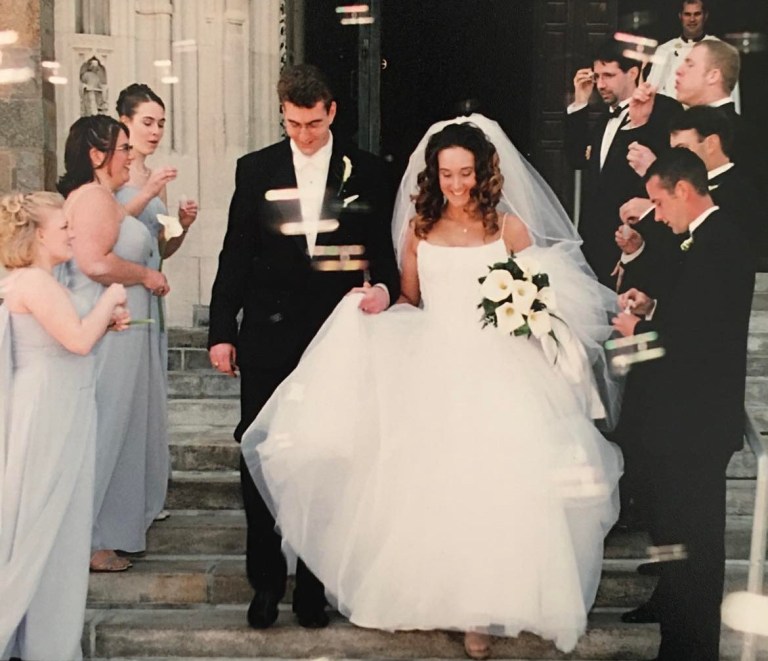
I was married for 19 years. Nearly two decades. The kind of time that shapes you, where your lives intertwine so deeply that you almost forget where you end and they begin. And when that ended, I thought I had failed. I felt shame and guilt. I thought the marriage had failed. I thought everything we built together was wasted because it didn’t last forever.
And then, after I picked myself back up, I found love again. It felt hopeful, exciting, like maybe I finally got it right this time. We were together for three and a half years, engaged for one and a half. I imagined the rest of my life again, this time older, wiser, more self-aware. But that relationship ended too.
And I found myself asking the same painful question: How could I get it wrong again?
But somewhere between the tears, the therapy sessions (a.k.a. graduate school…when you go to school to be a therapist practically every course is therapy, you meet parts of yourself that you didn’t even know existed) the quiet nights alone, and the messy, beautiful process of rebuilding, I realized something that changed everything, neither of those relationships were failures. Not even close.

Every Relationship Is a Teacher
Each relationship we enter, no matter how long it lasts, teaches us something about who we are. It’s like looking into a mirror that reflects all the parts of ourselves we might otherwise ignore.
In my marriage, I learned how much of a people pleaser I could be. I learned that I was often too forgiving, too quick to smooth things over just to keep the peace. I gave so much of myself trying to make everything work that sometimes I forgot myself in the process. But those lessons, painful as they were, showed me that love isn’t about losing yourself to keep someone else comfortable. It’s about showing up as your whole self and trusting that it’s enough.
In my second big relationship, I learned about boundaries.
What’s tolerable. What’s not. What my actual needs are, not the ones I was told to have, not the ones I thought sounded reasonable, but the deep, soul-level needs that make me feel safe, seen, and loved.
I learned what it feels like when those needs are met and when they aren’t met, and how to finally say, “No, this doesn’t work for me.”
Was it hard? God, yes.
Did it hurt? Absolutely.
But growth always does.
The Power of Reflection
Here’s the mistake we all make after a breakup: we zoom in on the ending, the heartbreak, the final argument, the quiet distance that creeps in before goodbye. We replay it on loop, trying to find the moment it all started to unravel.
But the truth is, the end of a relationship is just one part of the story. It’s like judging a book by its final sentence and ignoring every beautiful chapter before it.
If you take a step back and look at the relationship as a whole, the beginning, the middle, the laughter, the shared growth, the private jokes, the memories that still make you smile, you’ll start to see something beautiful.
You’ll see growth.
You’ll see love.
You’ll see that even if it ended, it mattered.
And sometimes, when people around you don’t understand, when they whisper about how it “didn’t work out”, you have to gently remind yourself that success isn’t always measured in longevity. Some of the most important relationships in your life might only last a few chapters, but they can still change your entire story.

You Learn Who You Are as a Partner
One of the hardest truths I had to face was this: I had to stop seeing relationships as tests I either passed or failed. Instead, I started to see them as practice. Not in a disposable way, but in a way that honors what each person taught me.
I learned that I’m a listener, sometimes too much of one. That I tend to absorb other people’s emotions like a sponge, often forgetting to wring myself out.
I learned that I crave deep emotional connection, not surface-level affection.
And I learned that when things get hard, I don’t run, but I do sometimes shut down.
It’s funny how you can know yourself your whole life, and still, someone else comes along and shows you a version of you that you never knew existed. That’s what relationships do. They reveal. They challenge. They stretch you.
And when they end, that’s when the real growth begins. Healing isn’t glamorous. It’s quiet. It’s a Saturday night emotionally alone when you realize you’re okay with your own company (and eight teenagers). It’s savoring the photos that used to make you cry. It’s laughing again, not because you’ve moved on, but because you’ve moved through.
It’s Not Punishment, It’s Progress
The end of a relationship isn’t punishment for loving. It’s not karma. It’s not some cosmic scorecard keeping track of your mistakes. It’s simply evolution.
Through every heartbreak, you get closer to yourself. You start recognizing your patterns, the red flags you used to ignore, the communication habits that need work, the parts of yourself that still crave healing.
And maybe, most importantly, you learn what kind of love you deserve.
Because here’s the secret, every time something ends, you’re not starting over from zero. You’re starting again, but this time, with more knowledge, more strength, more clarity. You’re not the same person who fell in love the first time, or even the second. You’re wiser now.
Don’t Cry Because It’s Over…
I know, it’s cliché, don’t cry because it’s over, smile because it happened. But clichés exist for a reason.
It took me a long time to get there. There were nights when I didn’t smile at all, when it felt like everything had fallen apart, again. But now, with time, I can look back with gratitude. I can see that those relationships shaped me into who I am today, stronger, more self-aware, and more open to the kind of love that truly fits.
So no, I don’t call them failures anymore.
I call them chapters.
And every single one was worth reading.

P.S. The Children See Everything
When relationships end, it’s not just the adults who feel the aftershocks, the children do too. And they see everything.
They see the tears we try to hide, the quiet nights we spend pretending to be okay, the moments when grief takes our breath away. They feel the shift in energy, the absence, the silence. And that’s why it’s so important that we see them too.
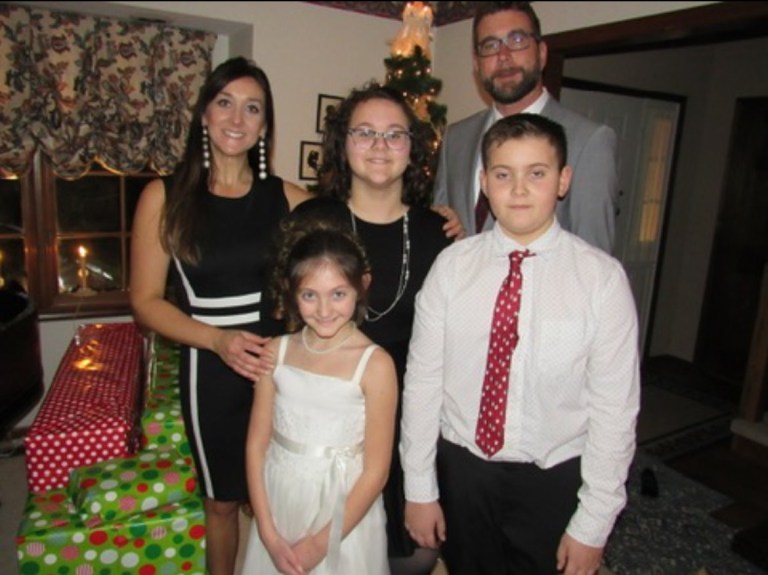
I’ve learned that honesty, gentle, age-appropriate honesty, goes so much further than pretending everything is fine. My children know when I’m hurting. I’ve told them when I just can’t that day, when I’m doing my best but my heart still aches. They’ve seen me brought to my knees by the weight of it all. But they’ve also seen me get back up.
I don’t want to teach them to hide their pain, I want to teach them how to feel it. To acknowledge it. To let it move through them instead of burying it down deep where it festers. I want them to know that healing isn’t about being strong all the time, it’s about being real.
This isn’t just my growth story; it’s theirs too. Because when you’re on your second time around, whether it’s marriage, engagement, or love itself, it’s no longer just about you. It’s about showing your children what resilience looks like. What honesty looks like. What love, even when it changes form, still looks like.
If we do it right, they’ll carry these lessons with them into their own relationships. They’ll know how to express themselves, to set boundaries, to choose love that feels safe and true. And maybe, just maybe, they’ll learn from watching us that even in heartbreak, there’s beauty, grace, and growth.


