
Every morning, millions of families turn on the tap and squeeze toothpaste onto a brush without hesitation. Fluoride has been marketed for decades as a simple solution for preventing cavities.
But what if the story isn’t that simple?
What if cumulative fluoride exposure, from drinking water, toothpaste, mouthwash, and processed beverages, affects more than just teeth? What if it influences brain development, thyroid function, or even cardiovascular health?
As research evolves, many parents and health-conscious adults are taking a closer look at the science behind fluoride safety.
This article explores what current research says about:
- Fluoride and IQ in children
- Fluoride’s potential impact on thyroid function
- The oral microbiome and blood pressure
- Whether antiseptic mouthwash may blunt nitric oxide production
To be clear, this is not about fear. It’s about informed decision-making.
Fluoride and IQ: What the Research Says
Fluoride is classified as a neurotoxic substance at high exposure levels. The ongoing scientific debate centers on whether long-term exposure at commonly encountered levels may affect neurodevelopment.
A prospective cohort study conducted in Canada and published in JAMA Pediatrics found that higher maternal urinary fluoride levels during pregnancy were associated with lower IQ scores in male offspring (Green et al., 2019). The study reported an approximate 4–5 point decrease in IQ per 1 mg/L increase in maternal fluoride concentration.
A 2023 systematic review and meta-analysis published in Environmental Health Perspectives analyzed multiple epidemiological studies and concluded that higher fluoride exposure was associated with reduced IQ in children, with effect sizes varying by exposure level (NTP, 2023).
These findings do not establish causation, and many studies involve higher fluoride concentrations than those used in U.S. community water fluoridation (0.7 mg/L). However, they have intensified discussion around cumulative exposure, particularly during pregnancy and early childhood.
Major organizations such as the Centers for Disease Control and Prevention and the American Dental Association maintain that fluoridated water at recommended levels is safe and effective for cavity prevention.
Fluoride and Thyroid Function
Fluoride is chemically similar to iodine, an essential nutrient required for thyroid hormone production. Because of this similarity, researchers have explored whether fluoride may interfere with iodine uptake or thyroid activity.
Some population-based studies have observed associations between higher fluoride exposure and altered thyroid hormone levels, particularly in iodine-deficient individuals (Peckham et al., 2015).
The thyroid plays a critical role in:
- Brain development
- Metabolism
- Growth and hormonal regulation
While the evidence is not definitive, biological plausibility and observational findings suggest that thyroid function remains an area of ongoing investigation.
The Oral Microbiome, Nitric Oxide, and Blood Pressure
Emerging research shows that oral bacteria do more than affect dental health. Certain nitrate-reducing bacteria convert dietary nitrates (from vegetables like spinach, arugula, and beets) into nitrite, which is further converted into nitric oxide.
Nitric oxide is essential for:
- Vasodilation
- Healthy blood pressure regulation
- Cardiovascular protection
- Exercise performance
Research published in Free Radical Biology & Medicine demonstrated that antibacterial mouthwash use reduced the blood pressure–lowering effects of exercise, likely due to disruption of oral nitrate-reducing bacteria (Bescos et al., 2019).
Additional studies have shown that antiseptic mouthwash can reduce nitric oxide bioavailability and cause small but measurable increases in blood pressure (Kapil et al., 2013).
Given that nearly half of U.S. adults have elevated blood pressure, the role of the oral microbiome in cardiovascular health is increasingly relevant.
What About Toothpaste Warning Labels?
Most conventional toothpastes contain 1,000–1,450 ppm fluoride. Labels advise contacting poison control if more than a pea-sized amount is swallowed by a young child.
A pea-sized amount may contain approximately 0.25–0.5 mg of fluoride, depending on concentration. While considered safe when used as directed, this highlights that fluoride is biologically active, and dosage matters.
Fluoride can also be absorbed through oral tissues, not just ingested.
A Microbiome-Conscious Oral Care Routine
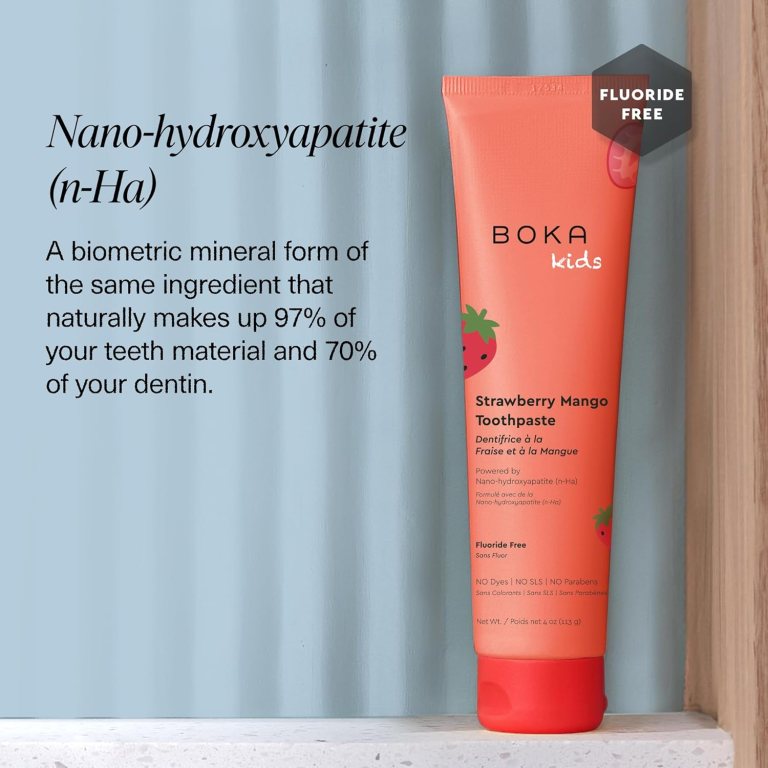
If you are concerned about cumulative fluoride exposure or oral microbiome disruption, you may consider discussing alternatives with your dental professional.
Some individuals choose to:
- Use fluoride-free toothpaste https://amzn.to/4tH6cz3
- Avoid daily antiseptic mouthwash unless medically necessary
- Use a copper or stainless steel tongue scraper, has natural antimicrobial and antibacterial properties https://amzn.to/4aGe9fc
- Maintain a vegetable-rich diet to support nitric oxide production
- Practice consistent brushing and flossing
Mechanical cleaning methods like tongue scraping may reduce odor-causing buildup without relying on antiseptic chemicals.
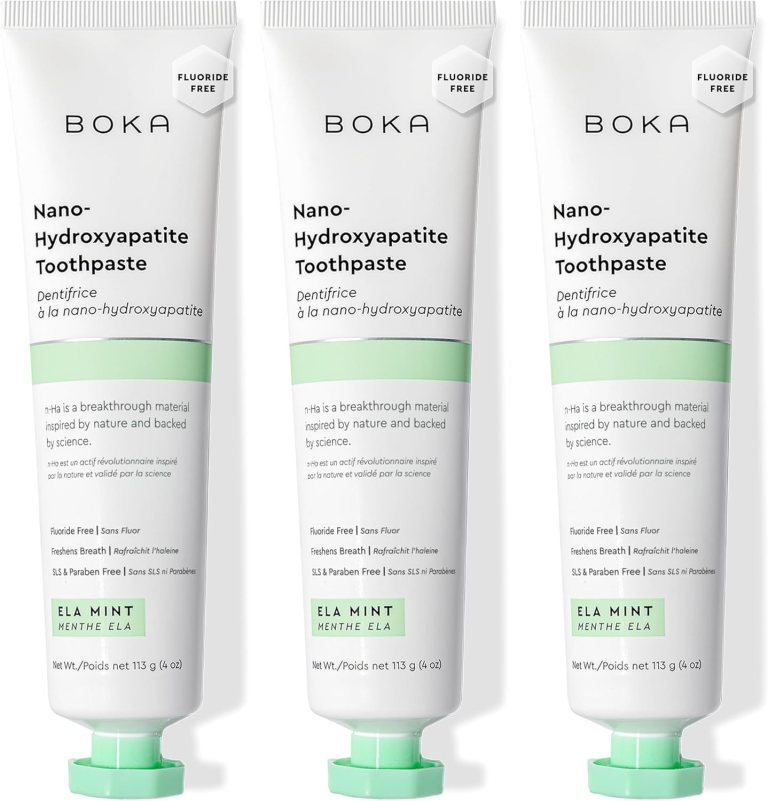
A Balanced Perspective on Water Fluoridation
Community water fluoridation has been endorsed for decades by public health authorities as a cost-effective strategy to reduce cavities. At the same time, research continues to examine neurodevelopmental, endocrine, and microbiome-related outcomes.
Scientific understanding evolves. Exposure patterns change. And individuals may wish to evaluate total fluoride intake from all sources, water, toothpaste, processed beverages, and dental products.
The goal is not polarization. It is awareness.
In Conclusion
At the end of the day, there’s no simple answer or one-size-fits-all solution. Just as parents juggle concerns ranging from physical health to emotional wellness and technology use, being informed about the products we give our children empowers us to make confident choices for our families. Whether you choose traditional fluoride-based toothpaste, embrace alternatives, or tailor your child’s oral care routine in consultation with a trusted dental professional, staying curious and informed helps you navigate these decisions with both care and clarity.
Amazon Affiliate Disclosure because transparency matters. That being said, I will NEVER promote a product I do not stand behind. I use these products in my household. This article may contain affiliate links to products such as fluoride-free toothpaste and tongue scrapers. As an Amazon Associate, I earn from qualifying purchases. This means if you choose to purchase through these links, I may receive a small commission at no additional cost to you.
I only recommend products aligned with the research and principles discussed in this article.
References (because I’m a total nerd and I think this is a fun way to spend my time lol)
Bescos, R., Ashworth, A., Cutler, C., et al. (2019). Effects of chlorhexidine mouthwash on the development of nitric oxide-mediated exercise-induced hypotension. Free Radical Biology & Medicine, 133, 107–114.
Green, R., Lanphear, B., Hornung, R., et al. (2019). Association between maternal fluoride exposure during pregnancy and IQ scores in offspring in Canada. JAMA Pediatrics, 173(10), 940–948.
Kapil, V., Haydar, S. M. A., Pearl, V., et al. (2013). Physiological role for nitrate-reducing oral bacteria in blood pressure control. Free Radical Biology & Medicine, 55, 93–100.
National Toxicology Program (NTP). (2023). Systematic review of fluoride exposure and neurodevelopmental and cognitive health effects.
Peckham, S., Lowery, D., & Spencer, S. (2015). Are fluoride levels in drinking water associated with hypothyroidism prevalence? Journal of Epidemiology & Community Health, 69(7), 619–624.

 Mom on the go in Holy Toledo