

For many families, dogs are more than pets; they’re companions, playmates, and sometimes unofficial babysitters. Kids naturally gravitate towards them. A wagging tail, soft fur, and playful energy make dogs irresistible. However, children and dogs don’t automatically understand each other.
Teaching kids how to interact with dogs safely is a valuable lesson parents can give. It protects the child, keeps the dog comfortable, and builds a trusting relationship. Let’s go through practical ways families can teach these lessons at home.
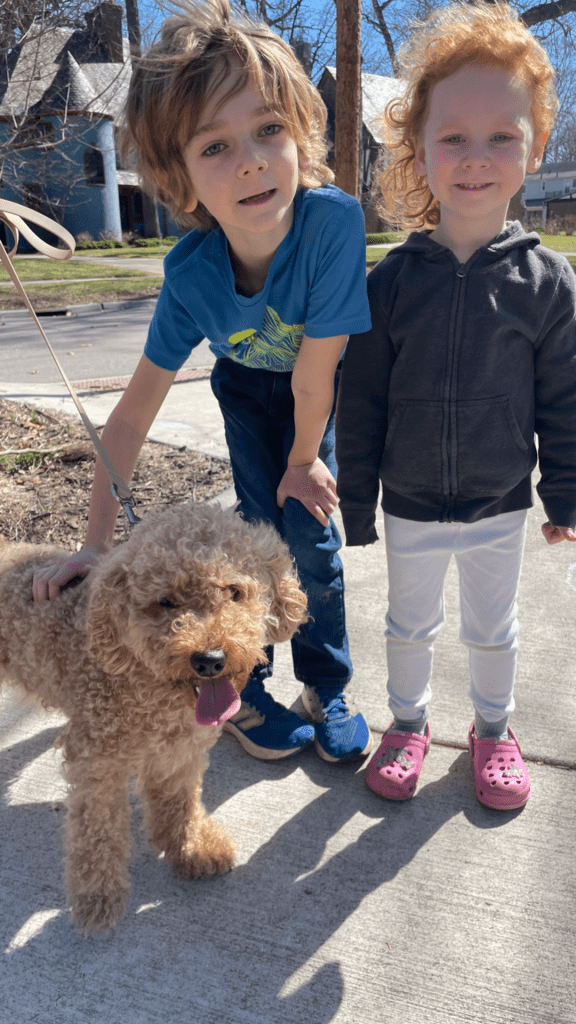
For many families, dogs are more than pets; they’re companions, playmates, and sometimes unofficial babysitters. Kids naturally gravitate towards them. A wagging tail, soft fur, and playful energy make dogs irresistible. However, children and dogs don’t automatically understand each other.
Teaching kids how to interact with dogs safely is a valuable lesson parents can give. It protects the child, keeps the dog comfortable, and builds a trusting relationship. Let’s go through practical ways families can teach these lessons at home.
Teach Kids to Respect the Dog’s Space
The first rule kids should learn is simple: dogs need personal space, too. Children often want to hug, climb on, or chase a dog the way they might with a stuffed animal. However, dogs have moods, boundaries, and moments when they just want to rest. Explain to kids that certain situations are off-limits:
- When the dog is eating
- When the dog is sleeping
- When the dog is hiding or resting in its bed
Teach Kids How to Read Basic Dog Body Language
Dogs communicate constantly. The problem is that kids usually don’t understand the signals. Parents don’t need to turn children into animal behavior experts, but teaching a few simple cues goes a long way. Show kids how a relaxed dog will have a loose body, wagging tail, and soft eyes, then contrast that with signs that a dog needs space, such as:
- Growling
- Backing away
- Stiff body posture
- Showing teeth
- Ears pinned back
Practice Ask First Habit Around Every Dog
One of the most important habits for kids is asking for permission before approaching any dog. Even the friendliest dog can feel overwhelmed if a stranger suddenly rushes towards it. Children should ask the dog’s owner before petting. Teach them this simple three-step approach:
- Ask the owner, “Can I pet your dog?”
- Let the dog sniff their hand first
- Pet gently on the shoulder or chest instead of the head
This routine slows everything down. It also builds confidence because children know exactly what to do in unfamiliar situations. Parents often find that once kids learn this habit, they start reminding adults, too.
Teach Responsibility Through Everyday Care
Safety lessons stick better when kids feel involved in caring for the dog. Simple responsibilities like filling the water bowl, brushing the dog, or helping with walks teach empathy. Children begin to see the dog as a living being with needs rather than just a playmate.
This mindset naturally leads to safer interactions. It also helps children understand that each dog is unique. Some are energetic, while others prefer quiet companionship. Even smaller breeds, such as coton de tulear puppies, need the same respectful treatment and calm interactions that larger dogs require.
Show Gentle Touch and Calm Movements
Kids have plenty of energy, and dogs notice that immediately. Sudden movements, loud squeals, or grabbing can startle even well-trained dogs. That’s why demonstrating gentle handling is key. Instead of saying, ‘be nice’, show children exactly what that means. Use phrases like
- ‘Pet like you’re brushing a cloud’
- ‘Slow hands’
- ‘Quiet voices near the dog’
Endnote
When kids learn how to safely interact with dogs, something wonderful happens. Fear disappears, curiosity grows, and genuine friendships form. Dogs become companions instead of unpredictable animals.

 Mom on the go in Holy Toledo