Let’s talk about the elephant in the dating room: age. When you re-enter the dating world, especially in the digital era, it becomes one of the first things people notice, judge, filter, and sometimes obsess over. Age ranges are literally built into dating apps now. Swipe left, swipe right, set the limits, move on. But here’s the question worth asking: Does age really matter as much as we think it does?
I’ll be honest, before the digital dating boom, I don’t remember age gaps feeling quite as dramatic as they do now. Sure, there were always couples with a few years between them, but it didn’t seem like a defining characteristic of the relationship. Today, however, age often determines not just life stage but how people communicate, socialize, and even interpret basic things like emojis.
Seriously, communication styles alone can feel like learning a foreign language when dating across generations.
Boomers and Gen X? They still write full paragraphs in texts, post on Facebook, and send long Facebook messages like they’re writing a thoughtful letter.
Millennials? They’re a bit more streamlined, quick texts, Instagram DMs, maybe a meme thrown in for good measure.
Gen Z? Good luck. Half the time, you get one letter, an abbreviation, or an emoji that represents an entire sentence. You’re expected to decode it like it’s the Da Vinci Code.
And emojis? Don’t even get me started. What one generation thinks is friendly, another thinks is sarcastic…or worse, passive-aggressive. So yes, if you’re dating outside your age bracket, you’d better learn the communication culture. Right down to the emojis.
But beyond communication quirks, something interesting is happening in dating culture right now.
More people are realizing that age doesn’t automatically dictate energy, curiosity, or lifestyle.
Some people hit a certain birthday and decide they’re officially “old.” Their idea of excitement becomes debating where to go to dinner at 4:30 p.m. And hey, there’s absolutely nothing wrong with that.
But then there are others, across every generation, who still want adventure.
They want to travel.
They want to hike mountains.
They want to explore new cities, try weird foods, take spontaneous road trips, and maybe even climb something they probably shouldn’t.
Energy and curiosity don’t come with a birthdate stamp.
And interestingly, shared interests like travel, food culture, and outdoor adventure are often stronger connectors than age ever could be.
There’s another shift happening too: people are questioning and redefining beliefs in ways previous generations didn’t always do. Many who grew up with Gen X parents, who may have rejected organized religion due to hypocrisy or human flaws, are now adults exploring faith, philosophy, and personal values on their own terms. They’re researching, reflecting, and forming their own perspectives.

Which brings us to the real question behind age-gap dating:
Do shared values matter more than shared birthdays?
Let me put this in perspective with a personal example.
When I got married at 23 to someone who was 27, my parents acted like it was borderline scandalous. Four years! The horror!
Meanwhile, my parents only have a two-year gap between them. My ex-husband and I had four years between us. My sister and her spouse? Seven years. My brother and his wife? Ten years.
And the funny part? They both married long after I did.
Being the oldest sibling is brutal sometimes; you’re basically the experimental child. Your parents are figuring out rules, boundaries, and expectations in real time. They enforce things strictly with you…only to loosen them dramatically for the younger siblings later.
And when the stories get told years later? Somehow, the truth gets softened. Funny how that works.
But I digress.
The point is this: age gaps that once felt shocking are now pretty normal. What really determines relationship success isn’t the number of candles on the birthday cake.
It’s things like:
- Shared morals
- Similar values
- Compatible priorities
- Mutual respect
- A balance of shared interests and independent passions
Having both similarities and differences makes relationships stronger. If two people align on the important things, values, lifestyle goals, and how they treat others, then the exact number of years between them becomes a lot less important.
That doesn’t mean every large age gap works perfectly. Realistically, finding someone 15 or 20 years older (or younger) who shares the same political interests, life priorities, and outlook can sometimes be challenging.
But challenging doesn’t mean impossible.
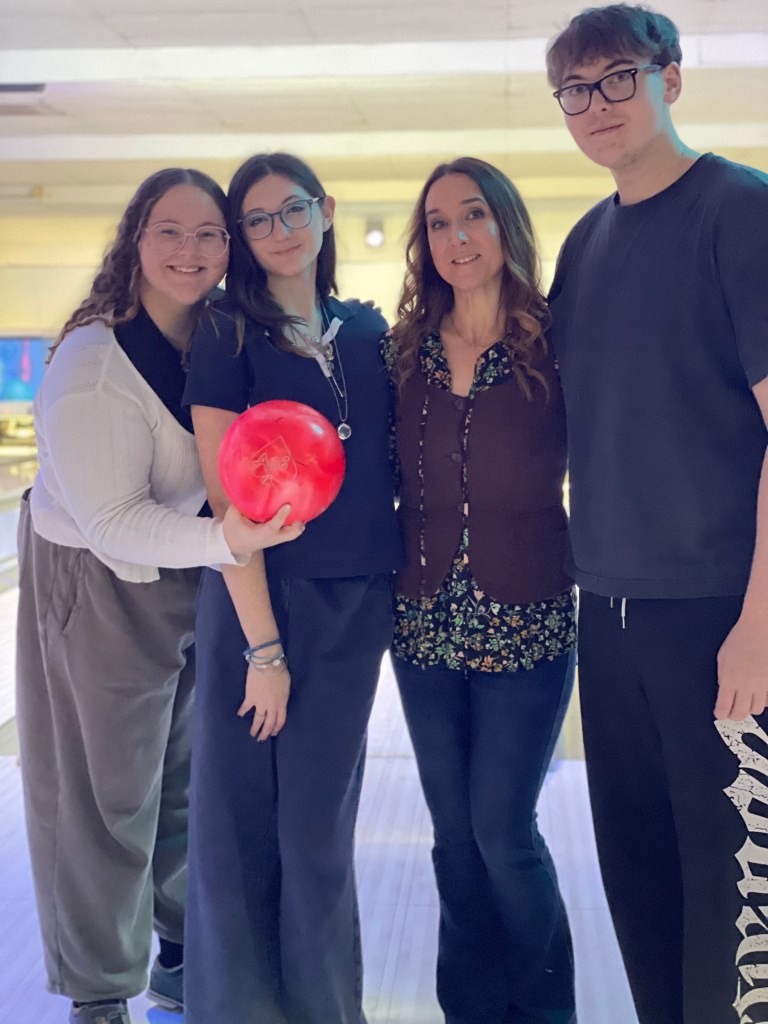
And as a parent, I’ve thought about this from another perspective too. If I’m open to dating someone outside my age range, I can’t logically hold a different standard for my own children.
Would I panic if my 18-year-old son dated someone who was 30?
Honestly…no.
Ultimately, what matters most isn’t the age difference; it’s the health of the relationship. Are they treated well? Do they respect each other? Are they compatible in values, lifestyle, and goals?
Those questions matter far more than the numbers.
Interestingly, this whole conversation about age-gap relationships is becoming mainstream entertainment, too.
Netflix recently released a reality dating show called Age of Attraction, where contestants between 22 and 60 build romantic connections without knowing each other’s ages.
The twist? They form emotional bonds first, and only later reveal how big the age differences actually are. Some of the gaps exceed 30 years.
Hosted by Nick Viall and Natalie Joy Viall, the show challenges the assumption that age determines compatibility.
In a way, it echoes the premise of Love Is Blind, that chemistry, emotional connection, and shared perspectives might matter far more than surface-level details.
And honestly? It raises a fascinating question.
If we removed age from the equation entirely, at least at the beginning, would people choose partners differently?
Would we focus more on personality?
More on shared values?
More on how someone makes us feel?
Maybe age isn’t meaningless.
But maybe it isn’t nearly as important as we’ve been taught to believe.
So now I’m curious.
What do you think?
Is it perfectly fine for someone younger to date someone older?
Is it okay for someone older to date someone younger?
Or do you think age still matters more than we’d like to admit?
Is age truly just a number when it comes to love…or is it something more? 🔥

 Mom on the go in Holy Toledo