
Weather can turn a normal day into a series of quick decisions. A school morning may suddenly depend on road conditions. A weekend project can be delayed by heavy rain. A delivery route, sports practice, or family trip can change with one alert. In southern Minnesota, shifting seasons are part of daily life, so preparation is less about worrying over the forecast and more about knowing how to adjust when plans need to change.
Weather Disruptions Start With Everyday Plans
Most preparation begins with familiar routines: getting kids to school, keeping appointments, finishing outdoor work, or deciding whether an event should stay on the calendar. Conditions do not have to be extreme to cause problems. A few inches of snow can slow a morning commute. Heavy rain can affect basements, job sites, and gravel roads. Heat can change practice times, outdoor work schedules, and plans for older adults or young children.
The smartest steps are often simple ones taken early. That might mean checking supplies at home, allowing extra travel time, choosing a backup location for an outdoor gathering, or knowing who needs a call when plans shift. It also helps to plan ahead for severe weather emergencies, especially during seasons when storms, snow, or sudden temperature swings can interrupt normal routines. Weather may be unpredictable, but the response can still be calm and organized.
Schools, Families and Work Schedules
A change in the weather can ripple across an entire day. Slick roads in the morning may affect bus routes, school drop-offs, and employee arrival times. If storms move in later, after-school programs, practices, and evening meetings can become the bigger concern.
Workplaces face their own challenges. Contractors watch the sky before sending crews to outdoor jobs. Farmers depend on safe field conditions. Delivery schedules can tighten when roads become difficult. Small businesses may need to adjust staffing, hours, or customer communication. Good planning will not prevent every inconvenience, but it gives people more room to make safer decisions without rushing.
Use Past Weather to Plan for Recurring Problems
Some weather problems become familiar because they return season after season. Low spots collect water after heavy rain. Certain roads become harder to manage during blowing snow. Outdoor projects run into delays during wet springs or long hot stretches. People often remember those trouble spots, but memory becomes more useful when it is paired with records from past seasons.
Planning around repeat problems becomes easier when historical weather data is paired with local experience, current forecasts, and the practical realities of each season. That perspective can help families, schools, property owners, and businesses prepare for recurring issues, even when the exact forecast changes from week to week.
Keep Alerts and Backup Plans Close
Forecasts are most helpful when people already know how they will respond if conditions shift. A family might decide when it is safer to delay travel. A coach may need a quick way to reach parents. A business owner may decide which jobs can move indoors and which ones should wait. Those small decisions are easier to make before the pressure is on.
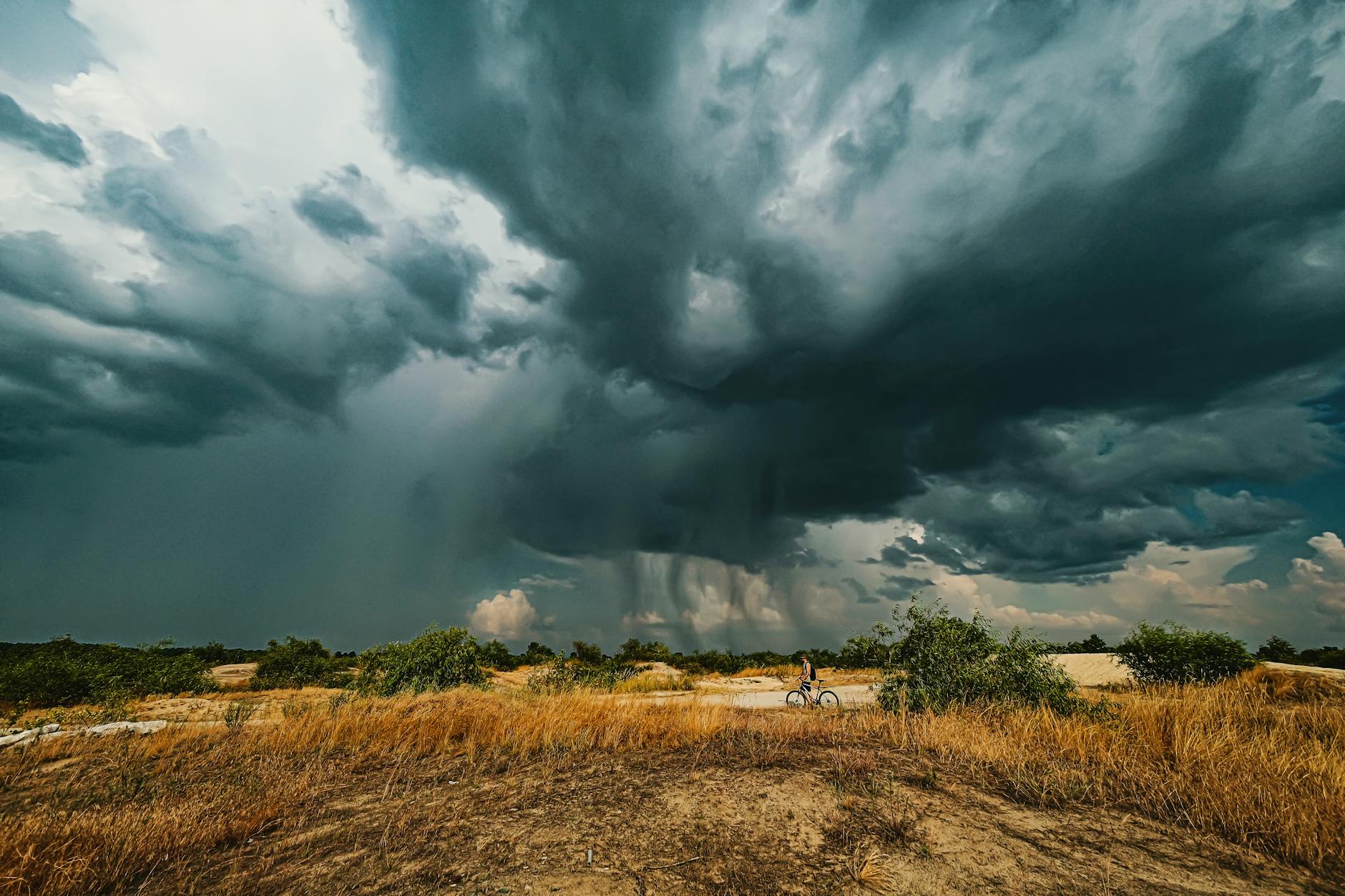
Because forecast information can show expected storm impacts, it makes sense to keep alerts turned on, review backup plans, and make sure the right people are notified when schedules change. Preparedness works best when it is practical enough to use on a busy day.
Conclusion
The weather will sometimes have the final say, especially in a place where the seasons can shift quickly. Still, a little preparation gives families, schools, businesses, and community groups more control over how they respond. When people build flexible plans, pay attention to patterns and keep communication simple, a change in the forecast does not have to become a crisis.


