Family milestones have a way of sneaking up on us. One day you are celebrating a first step, and before long you are marking graduations, birthdays, new homes, and quiet moments that somehow become the stories you tell for years. The problem is that many of these memories fade into the blur of daily life unless you make a simple effort to hold onto them.
The good news is that preserving family milestones does not require perfect scrapbooks or a professional photographer. In most families, the most meaningful records come from ordinary moments captured consistently. A dinner conversation, a school-day photo, a note from a child, or a voice memo can become just as valuable as a big event photo years later.
Why Everyday Memories Matter as Much as Big Milestones
When people think about memory keeping, they usually picture the major celebrations.
Weddings, holidays, and anniversaries seem like the events worth saving. Yet the small, repeated moments often tell the real story of family life.
These everyday details show how your family changed over time. They capture personality, routines, inside jokes, and relationships in a way a single formal event never can. Looking back, it is often the ordinary things – the messy kitchen table, the worn-out backpack, the way a child
spelled a word wrongly at age six – that feel most precious.
This is why family milestones are best preserved not only as isolated events, but as part of a wider family story. When you collect memories from both the big and small moments, you create something richer and more honest.
Start With Small, Repeatable Memory Habits
The easiest way to preserve family memories is to make the process part of normal life. If memory keeping feels like a special project, it rarely lasts. If it becomes a habit, it stays manageable.
Capture what is already happening
Instead of waiting for the perfect occasion, save moments as they happen. Take a quick photo of the birthday breakfast table, record your child telling a story, or jot down a funny phrase in your notes app. These small captures often become the most meaningful reminders later.
Keep one simple family record
You do not need multiple systems. One notebook, one shared folder, or one digital album can be enough if you use it regularly. The goal is consistency, not perfection.
Write down the context
A photo alone is easy to forget. Add a line or two about what was happening, who was there, or why it mattered. Years later, that detail will bring the memory back to life.
Make Milestone Documentation Part of Family Life
Preserving family milestones works best when everyone knows it matters. If family members understand that memories are being saved on purpose, they are more likely to contribute naturally.
One helpful approach is to treat memory keeping as part of the family routine, not a task that comes after the moment. After a birthday, save a card or photo. After a school concert, record a short voice note about how it felt. After a holiday, ask each person what their favorite moment was and write it down.
You can also create a simple rhythm around recurring events. For example, choose one photo from each season or write a short reflection after every milestone. Over time, this becomes a family record that feels authentic because it was created little by little.
Use Photos, Notes, and Audio Together
A strong memory collection does not rely on just one format. Different types of memories hold different qualities, and combining them gives you a fuller picture.
Photos give you faces, places, and visual details. Written notes capture thoughts and emotions.
Audio recordings preserve tone, laughter, and the sound of someone’s voice.
For example, a baby’s first birthday photo tells only part of the story. A few handwritten lines about what the day felt like, plus a short recording of the family singing, will mean far more later.
This mix of formats makes family milestones feel vivid instead of flat.
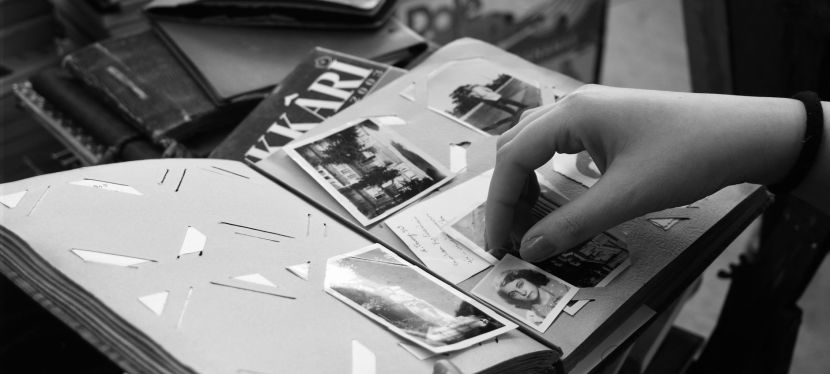
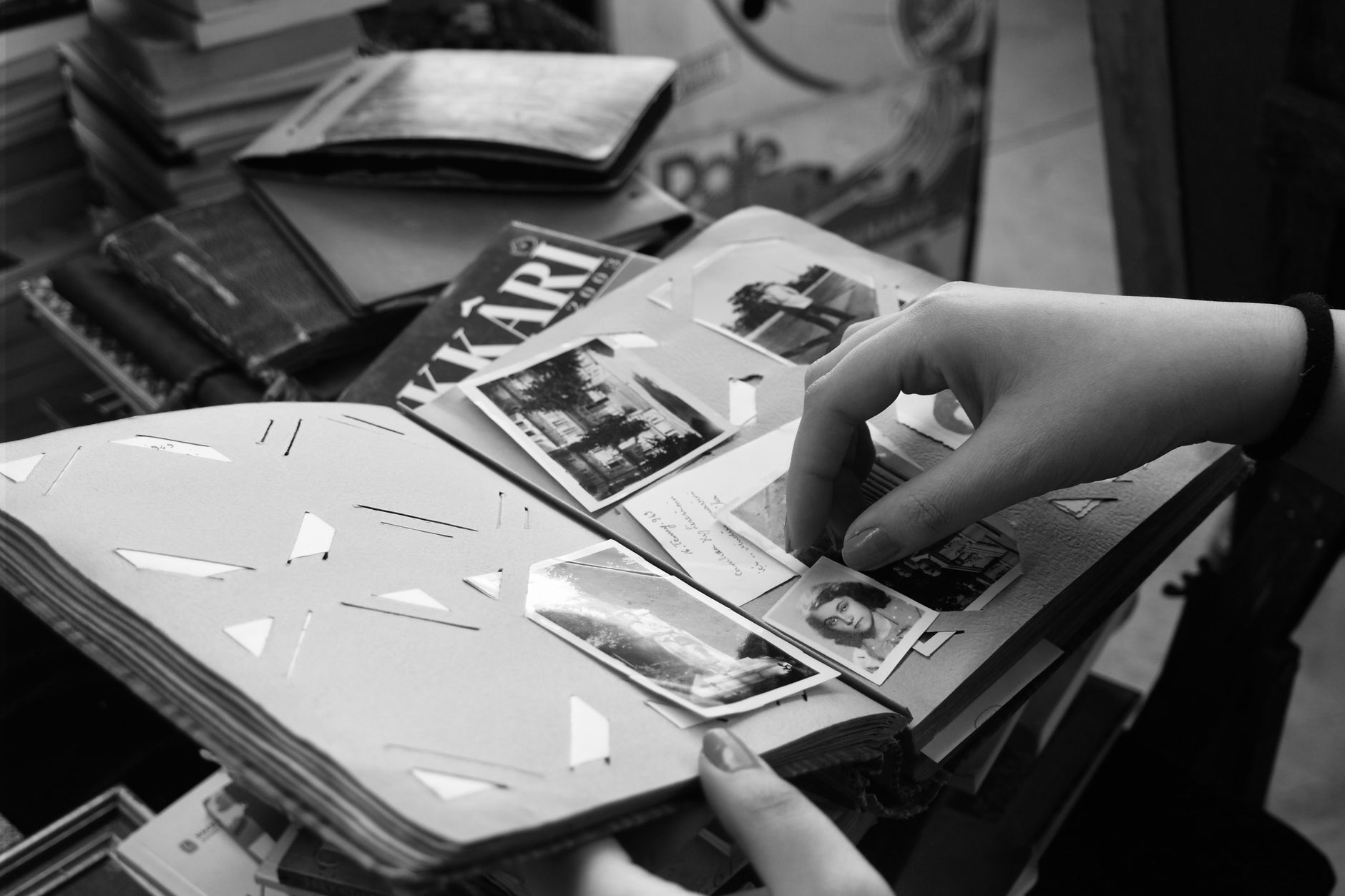
If you are organizing memories digitally, try keeping them together by event or year. If you prefer physical keepsakes, tuck printed photos with handwritten captions into a folder or album. A family magazine can also be a beautiful way to turn scattered memories into something you can hold, share, and revisit easily.
Focus on Story, Not Just Perfection
Many people delay saving memories because they think they need the right photos, the right words, or the right design. That hesitation is understandable, but it can prevent you from saving anything at all.
What matters most is the story behind the memory. A blurry photo of a real moment is often better than a staged image that says little. A short, honest note can mean more than a polished paragraph. If a memory feels meaningful to your family, it is worth keeping.
This mindset also helps children feel included. When they see that imperfect, everyday moments are being valued, they learn that family history is not about producing a flawless record. It is about paying attention to life as it happens.
Involve the Whole Family
Preserving family milestones becomes easier and more meaningful when it is shared. Even young children can participate by drawing pictures, choosing favorite photos, or answering simple questions about their day.
Older children and adults can add more detail by contributing stories, captions, or short reflections. A grandparent might remember a family tradition differently than a parent does, which adds depth to the collection. These perspectives help build a fuller and more layered memory archive.
You might also create small traditions around memory sharing. At the end of the year, ask everyone to name one moment they never want to forget. On birthdays, invite each person to share one thing they appreciate about the person being celebrated. These habits create memories while also strengthening connection.
Store Memories Where You Will Actually Find Them
A memory is only useful if you can return to it. That is why storage matters almost as much as capturing the moment in the first place.
Choose a system that fits your life. Digital folders work well if you want easy searching and backup. Boxes, albums, and notebooks are better if you like physical keepsakes. Many families choose a combination of both so the memories are never trapped in one place.
The best system is the one you will keep using. Avoid making it complicated. If you spend too much time organizing, you may stop collecting altogether.
Conclusion: Save the Ordinary, Protect the Meaningful
Family milestones do not begin and end with the obvious celebrations. They are built from the everyday moments that shape your life together. When you notice, record, and revisit those moments, you create a family history that feels real, personal, and lasting.
Start small. Save one photo, write one sentence, or record one voice memo this week. Over time, those simple habits will become a meaningful archive of your family’s milestones – and the everyday memories that made them matter.


