Caring for an aging loved one means more than just managing medications and doctor’s appointments. While physical health is always a top priority, a senior’s overall quality of life really depends on a much broader sense of well-being. Thinking about their emotional, mental, and social needs can turn daily life from a series of tasks into a time of connection and contentment. When we look beyond just the basics, we can help our elders feel valued, engaged, and happy.
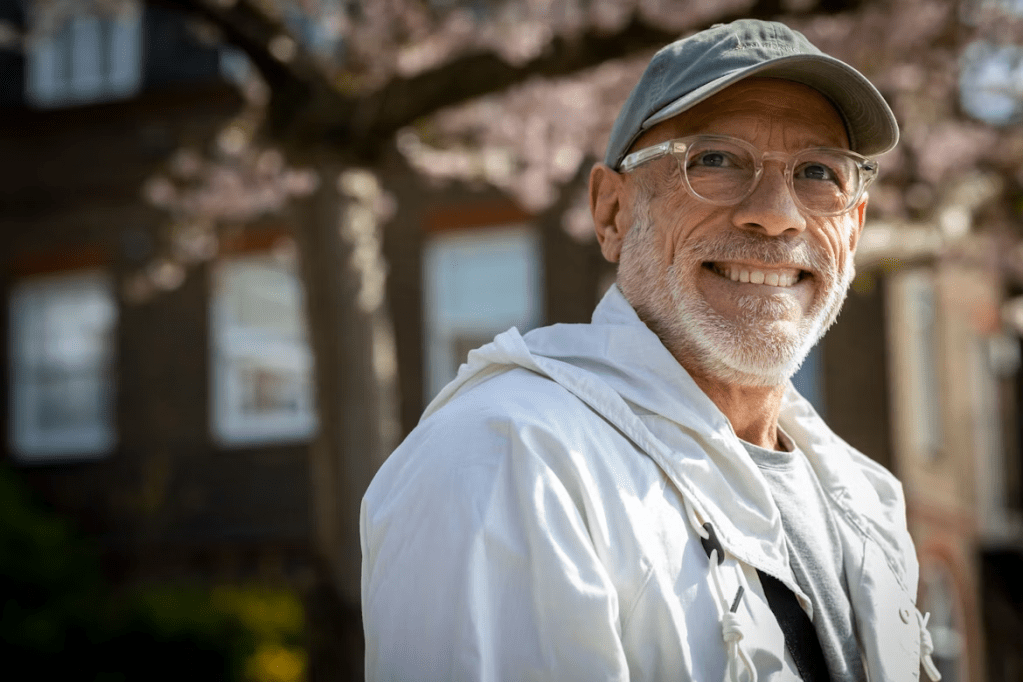
Image Credit: Unsplash
Holistic Approach to Senior Care
It’s easy to focus only on physical ailments or limitations when we care for a senior. But a holistic approach to well-being looks at the whole person: their mind, body, and spirit. This means paying attention to their emotional state, their social connections, and their sense of purpose just as much as their physical health. It’s about understanding that happiness isn’t just about not being sick. It’s found in laughter, connection, and feeling like a part of the world. This perspective helps caregivers create a more supportive and enriching environment that nurtures every part of a person’s life.
The Link Between Personal Care and Mood
How we feel physically directly impacts our mood and self-esteem. For seniors, keeping up with personal hygiene can get tough, but it’s still incredibly important for their mental state. Simple things like a warm shower, putting on clean clothes, or having their hair styled can give a big emotional boost. It’s about dignity and respect. When these needs are met, it helps a person feel more like themselves. Helping with these tasks is a key part of compassionate support. Professional services that offer personal care for seniors understand that helping with bathing, dressing, and grooming isn’t just about cleanliness; it’s about preserving dignity and promoting a positive self-image.
Engaging in Daily Activities
An idle mind can lead to boredom and depression. Keeping seniors busy with activities they enjoy is crucial for their cognitive health and emotional happiness. This doesn’t have to mean complex or strenuous tasks. It can be as simple as working on a puzzle together, listening to their favorite music, looking through old photo albums, or spending time in a garden. The trick is to find activities that mean something to them and adapt them to their abilities. Even a short walk outside for fresh air can brighten their day and provide gentle physical activity. The goal is to stimulate their minds and give them something to look forward to each day.
Nutrition and Hydration Support
What we eat and drink greatly affects our energy levels, how well we think, and our overall health. For seniors, maintaining proper nutrition and hydration is especially important, but it can also be hard because of a decreased appetite or difficulty making meals. You can help by making mealtimes pleasant and social, not a chore. Prepare nutrient-dense foods that are easy to eat and look appealing. It’s also important to make sure they drink enough fluids throughout the day, as dehydration can cause confusion and other health issues. Keeping a water bottle or a favorite drink nearby can be a helpful reminder.
Creating a Positive Daily Routine
A predictable daily routine can give seniors a strong sense of security and stability, especially if they’re experiencing memory loss. Having a gentle structure to the day helps reduce anxiety and creates a comforting rhythm. This routine should be flexible but consistent, built around key events like meals, activities, and rest periods. For example, a day might start with breakfast, followed by some light activity like reading the paper, a midday rest, an afternoon walk, and a quiet evening. A familiar schedule helps manage expectations and gives seniors a sense of control over their day, which contributes to their overall peace.
Ultimately, improving a senior’s well-being means seeing them as a whole person. By including emotional support, mental engagement, and social connection in their daily care, you can make their later years truly golden.


