
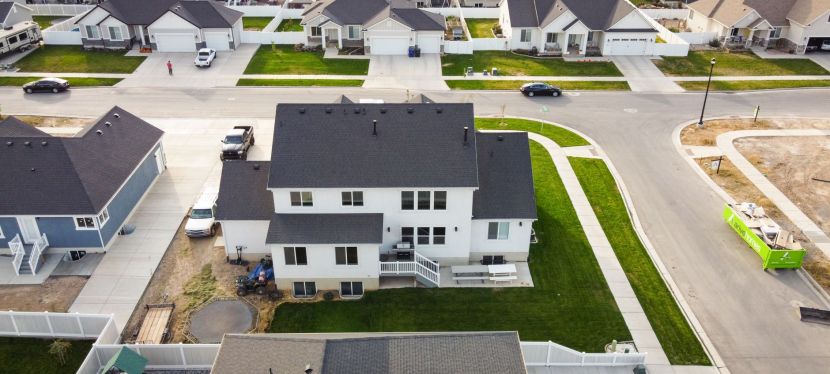
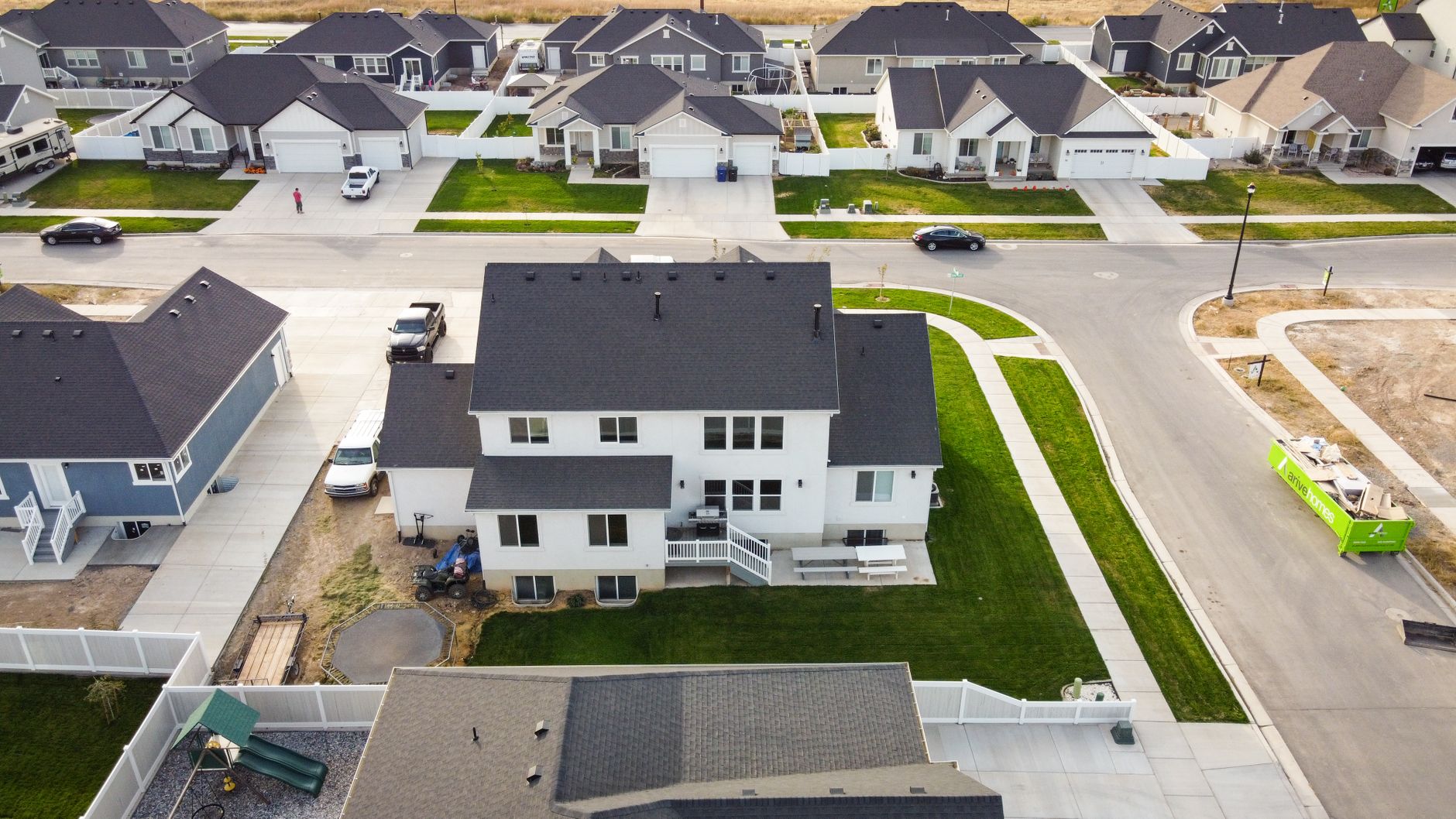
Choosing the right neighborhood involves so much more than comparing home prices or admiring curb appeal. Families dream of places where children can grow, learn, play, and build meaningful relationships while parents feel confident about their daily routines. A truly kid-friendly neighborhood creates opportunities for outdoor activity, community involvement, and safe exploration that support every stage of childhood.
Whether you live in Toledo, Ohio, elsewhere in the Midwest, or anywhere around the world, the same core qualities help families thrive together. What makes a neighborhood kid-friendly today? Get the details below.
Safe Streets Encourage Everyday Adventures
Safety remains one of the biggest factors parents consider when choosing where to raise children. Well-maintained sidewalks, clearly marked crosswalks, slower traffic speeds, and visible street lighting help families feel comfortable spending more time outdoors. Children gain confidence when they can ride bikes, walk to nearby parks, or visit neighbors under appropriate supervision.
Communities also benefit from neighborhood watch groups, friendly residents, and local police who build positive relationships with families. These connections create trust while encouraging neighbors to look out for one another. Parents often find peace of mind when everyone knows the children who live nearby. That welcoming atmosphere helps kids develop independence without sacrificing safety.
Parks That Inspire Healthy Play
Every family appreciates access to inviting parks that offer more than a single swing set. Modern parks include climbing equipment, open green spaces, shaded seating, walking trails, and areas designed for children of different ages. Families enjoy spending entire afternoons outdoors when parks offer activities for everyone.
Quality playgrounds also support physical development through climbing, balancing, running, and imaginative games. Parents often appreciate clean restrooms, picnic tables, drinking fountains, and nearby parking because these features make outings much easier. Communities that invest in parks show families they value children’s health and happiness.
When discussing community spaces, many planners also study mistakes to avoid when designing playgrounds because thoughtful layouts improve accessibility, encourage safe play, and create enjoyable experiences for children with different abilities. Good design keeps children engaged while reducing unnecessary hazards. Families notice those details even if they never think about the planning process itself.
Strong Schools Build Strong Communities
Excellent schools contribute to more than academic success. Families often gather through school events, sports, music programs, volunteer opportunities, and parent organizations that strengthen neighborhood relationships. Children develop lasting friendships while parents naturally build supportive social networks.
Neighborhoods with active schools often encourage lifelong learning beyond the classroom. Public libraries, tutoring centers, after-school programs, and community education classes create additional opportunities for children to discover new interests. Parents appreciate communities that invest in education because those investments support future success for every child.
Schools also introduce families who recently moved into the area. Welcoming teachers, involved parents, and inclusive events help newcomers feel connected much faster.
Everyday Amenities Make Family Life Easier
Convenience matters more than many families expect after moving into a new neighborhood. Grocery stores, pediatric offices, pharmacies, coffee shops, and family-friendly restaurants simplify busy schedules. Parents spend less time driving across town and more time enjoying quality moments with their children.
Access to recreation also improves daily life. Community pools, sports fields, dance studios, martial arts schools, and local recreation centers offer children opportunities to stay active throughout the year. Families appreciate having multiple choices because children’s interests often change as they grow.
Neighbors Who Actually Know One Another
One of the most overlooked features of a kid-friendly neighborhood involves the people who live there. Friendly neighbors create stronger communities by introducing themselves, organizing neighborhood gatherings, and offering support when families need an extra hand. Children benefit tremendously when they recognize familiar faces throughout their community.
Parents often feel more comfortable allowing outdoor play when trusted neighbors remain nearby. Informal conversations across driveways or front porches help everyone stay connected. Those simple interactions strengthen relationships while creating a greater sense of belonging.
Community events also encourage friendships among families. Seasonal festivals, farmers markets, holiday celebrations, neighborhood garage sales, and charity events bring people together in meaningful ways. Children build memories while parents develop valuable support systems.
Walkability Supports Active Families
Walkable neighborhoods encourage healthier lifestyles for children and adults. Sidewalks connect homes with schools, parks, shops, and recreational facilities while reducing dependence on vehicles. Families often choose evening walks instead of spending additional time indoors because walking feels easy and enjoyable.
Children also learn valuable life skills through regular walks. They observe nature, practice road safety, recognize landmarks, and develop confidence while exploring their surroundings. Parents appreciate these learning opportunities because everyday routines become educational experiences.
Features That Families Appreciate Most
Every family has unique priorities, but several neighborhood characteristics consistently appear at the top of parents’ wish lists. Families often appreciate the following features the most:
- Safe sidewalks and clearly marked crosswalks
- Well-maintained parks and playgrounds
- Highly rated schools and educational programs
- Friendly neighbors who build community connections
- Convenient grocery stores and healthcare services
- Walking and biking paths for outdoor activities
- Family-focused community events throughout the year
- Public libraries and recreation centers nearby
- Clean streets and attractive green spaces
- Opportunities for children of all ages to socialize
These features work together to create an environment where parents and children enjoy everyday life.
Outdoor Spaces Encourage Creativity
Children thrive when they spend time outdoors every week. Neighborhoods that include natural spaces, community gardens, wooded trails, ponds, or open fields encourage imaginative play while reducing screen time. Kids invent games, observe wildlife, and explore new environments through simple outdoor adventures.
Parents also benefit from attractive outdoor spaces. Walking with friends or enjoying family picnics provide welcome breaks from busy schedules. Shared green spaces naturally bring neighbors together without requiring formal events.
Moreover, communities that preserve natural beauty often inspire children to appreciate environmental stewardship from an early age. These lessons continue long after childhood.
Family Activities Strengthen Community Bonds
Today’s kid-friendly neighborhoods offer activities throughout the year instead of relying solely on playgrounds. Summer concerts, movie nights, holiday parades, farmers markets, charity walks, youth sports leagues, and seasonal festivals provide families with opportunities to stay connected.
These activities help children build friendships beyond school classrooms. Parents meet other families with similar interests while expanding their own support networks. Strong relationships often begin during simple community gatherings and continue for many years.
Local businesses also contribute by hosting family nights, children’s workshops, and educational events. Small efforts from community organizations create memorable experiences that encourage families to remain active participants in neighborhood life.
Enjoy a moment in your local park or kid-friendly space and embrace all that it has to offer to your family. It just might become a new tradition or a nightly ritual.

 Mom on the go in Holy Toledo