
You finally have the budget, the inspiration, and maybe a folder full of screenshots showing exactly what you want your home to become. Then the work starts, and suddenly an unexpected expense appears. For a busy household, that kind of surprise can turn an exciting project into a stressful financial puzzle.
The good news is that you don’t need to predict every possible problem; you can give yourself more breathing room by understanding where hidden costs can affect home renovations and leaving space in your plans for the unexpected.
Make Your Budget Flexible
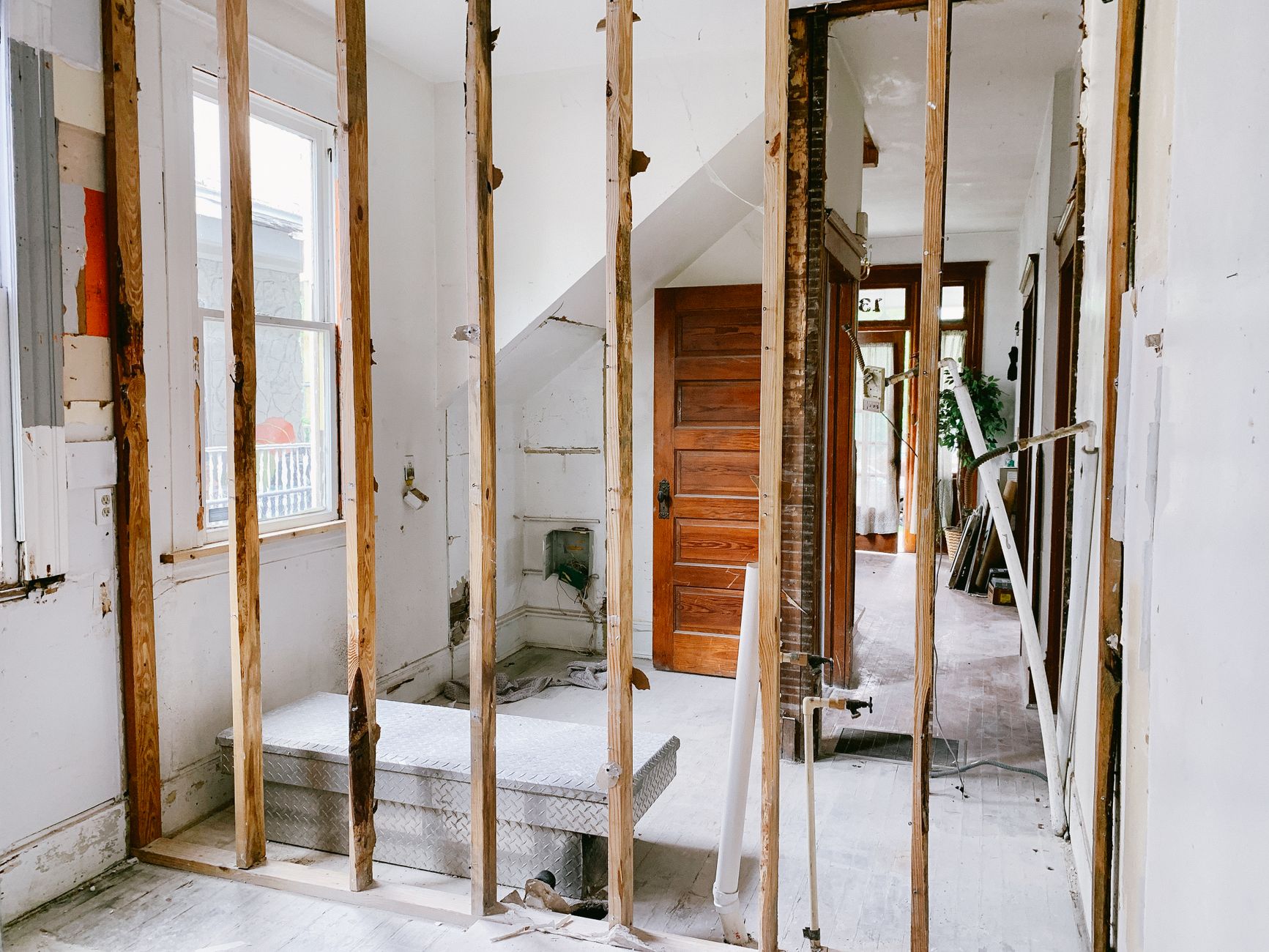
A renovation estimate gives you an important starting point, but you shouldn’t treat that number as the absolute limit of what you’ll spend. Once contractors start opening walls or working around older parts of your home, they may find conditions that weren’t visible during the initial estimate.
Give yourself some financial flexibility before work begins rather than trying to find extra money halfway through the project. You don’t necessarily need to assume something will go wrong. Instead, think of that extra room as protection for your household budget if plans need to change.
Look Beyond the Main Quote
When you review an estimate, pay attention to what the contractor includes. A quote for new flooring, for example, may cover installation without accounting for repairs to the surface underneath it.
Ask questions whenever something seems unclear. You may find that disposal or additional preparation could affect your final total, and understanding those possibilities early can make the numbers easier to manage.
Older Homes Can Hold Surprises
If you’ve fallen in love with the character of an older home, you probably already know that its history comes with quirks. Renovation work can uncover materials that the previous owners covered decades ago, especially in walls or attics.
Vermiculite attic insulation is one example worth understanding. Some vermiculite insulation sold under the Zonolite name came from a mine near Libby, Montana, where the material became contaminated with asbestos. If your home contains qualifying Zonolite insulation, the Zonolite Trust offers financial assistance that may help cover part of eligible remediation costs.
Small Repairs Can Grow
You might plan to replace a bathroom vanity and then notice water damage after the old one comes out. Maybe you’re updating flooring when you find that the surface below needs attention first. Renovations have a way of revealing parts of your home that you normally never see.
At that point, ignoring the problem just to stay on schedule may create a bigger headache later. Talk with your contractor about what needs immediate attention and what can reasonably wait. That conversation can help you protect your renovation budget without brushing aside an issue that could affect the finished project.
Changes Add Up Quickly
It’s surprisingly easy to spend more when you’re already deep into a renovation. You may decide that a different fixture looks better or realize that the original layout doesn’t work quite the way you pictured.
One change might fit comfortably within your budget. When changes keep happening, however, the additional labor and materials can start pushing your total higher than expected. Before approving an adjustment, ask what it will add to the price so you can decide whether you still want it.
Temporary Living Costs Matter
Renovation budgets often focus on what happens inside the house, but your family’s daily routine doesn’t stop just because the kitchen is under construction. If you can’t cook normally for several weeks, your food spending may climb. A project that limits access to another important part of your home can create similar disruptions.
For a larger project, you may want to account for costs such as:
- Extra meals away from home during kitchen work
- Temporary storage for furniture or household belongings
- Additional childcare when construction disrupts routines
- Pet care if noise or activity causes problems at home
- Short-term lodging when staying home isn’t practical
Delays Can Affect Your Budget
When you’re managing everything that family life throws your way, a renovation delay can cause more than frustration. A longer project can extend any temporary arrangements you’ve made, which may mean paying for them longer than you expected.
Before work begins, ask your contractor about the expected timeline and which circumstances could change it. You won’t eliminate every delay, but you’ll have a clearer picture of what a longer schedule could mean for your family.
Weather can also interfere with projects that depend on exterior work or material deliveries. Rather than building your entire household schedule around the best-case completion date, leave yourself some flexibility whenever possible.
Don’t Forget the Finishing Stage
You’ve probably watched enough home makeovers to know the big reveal makes everything look complete. In your own home, however, reaching that point can require more spending than you initially imagined.
Once major construction ends, you may realize that existing curtains no longer work or that the furniture doesn’t fit the updated layout. You might also want smaller decorative changes because the old pieces suddenly look out of place against the renovated room.
Before buying everything immediately, live with the updated space for a little while. You may decide that some of what you already own works perfectly well. Waiting also gives you time to rebuild your household budget after the larger renovation expenses.
Keep Your Priorities Clear
When unexpected expenses appear, your original priorities can help you decide where your money should go. Think about what motivated the renovation in the first place. If your family needed a more functional space, protect the part of your budget that supports that goal.
This mindset becomes especially useful when you’re comparing something you need with something you simply like. You don’t have to give up every fun detail; you just need to know which expenses deserve your attention first.
Talking about those priorities with your spouse or other decision-makers can also prevent stressful choices in the middle of construction. When everyone understands the goal, you have a stronger foundation for deciding what stays and what can wait.
Give Your Family Breathing Room
Home renovations don’t always follow the neat timeline or exact budget you pictured at the beginning. That’s why understanding the hidden costs of home renovations can make such a difference. When you leave room for changes, you’re less likely to let one unexpected expense derail everything you’ve planned.
Before your next project begins, look beyond the exciting finishes and consider what might happen once the real work starts. Ask questions, protect some flexibility in your budget, and keep your family’s priorities at the center of your decisions.


