
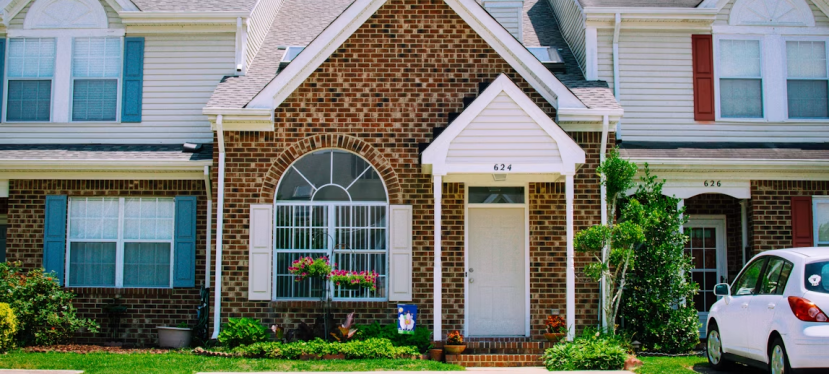
A family home is so much more than just four walls; it’s like a living scrapbook of your family’s history. It’s the backdrop for first steps, holiday gatherings, and countless everyday moments that weave together the story of your life. When you start thinking about that home as a place for future generations, your kids, and maybe even their kids, it stops being just an asset and becomes a true family legacy.
The good news is, preserving that legacy doesn’t need a massive overhaul. It’s mostly about consistent care and understanding what keeps a house standing strong for decades to come.
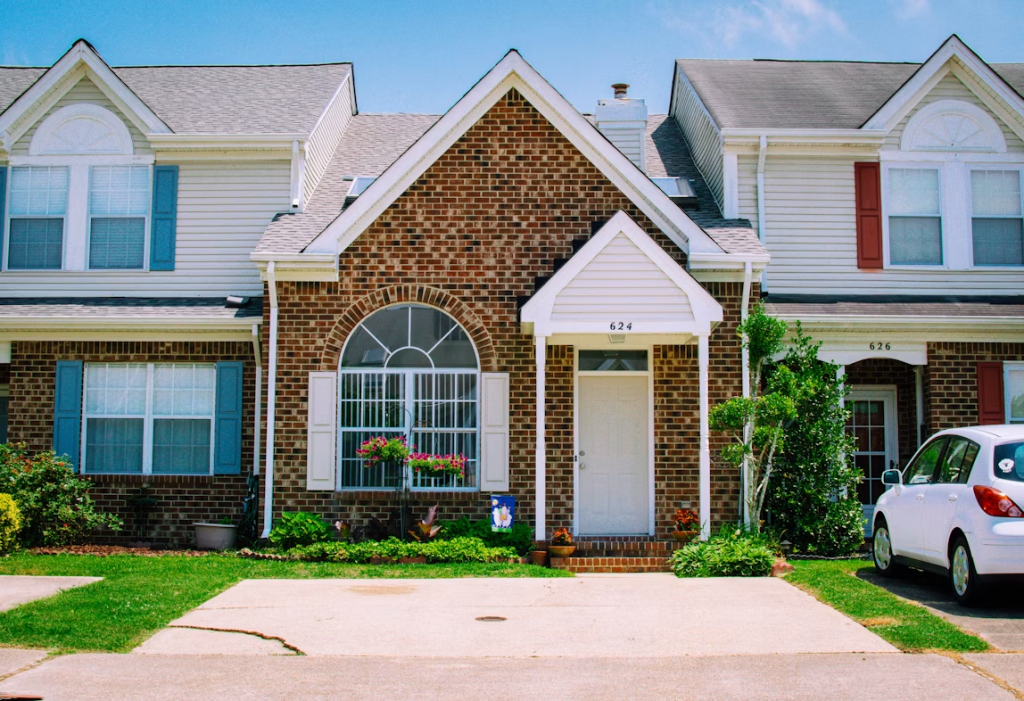
Image Credit: Unsplash
Creating a Family Legacy
Thinking about your house as a generational home really means shifting your perspective. Instead of just focusing on its current market value, you start seeing it as a future heirloom. This means making decisions today that will benefit your family tomorrow. Part of this involves the practical side of maintenance, but it also includes the emotional and financial planning needed for keeping your home in the family.
Think about what makes your home special. Is it the big backyard where everyone gathers for barbecues? The cozy reading nook by the window? Protecting these spaces means investing in the home’s overall health. When you fix a leaky faucet or patch a roof, you’re not just solving a problem; you’re actually preserving a piece of your family’s future story.
Home Maintenance for Busy Families
The idea of long-term home maintenance can feel pretty overwhelming, especially when you’re juggling work, school runs, and everything else. The trick is to break it down into manageable steps. You don’t need to block out an entire weekend for chores. Instead, try creating a simple system that fits your family’s schedule.
Here are a few easy ways to approach it:
- The 15-Minute Fix: Spend just 15 minutes each day on a small task, like decluttering a drawer, testing smoke detectors, or wiping down baseboards.
- Monthly Focus: Assign one larger task to each month. For example, January could be for organizing the pantry, while April is perfect for cleaning windows and screens.
- Get the Family Involved: Make maintenance a team effort. Kids can help with age-appropriate tasks like weeding the garden, tidying their rooms, or helping you test flashlights. This not only lightens your load but also teaches them valuable life skills.
Why Your Foundation Matters Most
Every part of your home matters, but nothing is more critical to its longevity than its foundation. It’s the literal base that supports everything else, the walls, the roof, and all the memories made inside. A stable foundation ensures that the rest of your home stays structurally sound, preventing a cascade of problems that can be costly and difficult to fix later on.
Over time, things like shifting soil, water drainage issues, and even tree roots can mess with a foundation’s integrity. Being proactive is definitely the best strategy. If you notice any signs of trouble, it’s smart to get a professional inspection. Getting an expert opinion from a reputable foundation company can help you catch small issues before they turn into major structural headaches, keeping your home secure for the long haul.
Signs of Potential Issues
You don’t need to be an expert to spot the early warnings of foundation trouble. Just paying attention to the subtle changes in your home helps you identify potential problems and act quickly. When you’re designing a home for generations, you build with quality in mind, and that same mindset applies to ongoing maintenance.
Keep an eye out for these common red flags:
- Cracks in Walls or Ceilings: While small hairline cracks are normal as a house settles, large, jagged, or diagonal cracks, especially over doorways and windows, can point to foundation movement.
- Doors and Windows That Stick: If doors start to jam or windows become hard to open and close, it could mean their frames are warping because of a shifting foundation.
- Uneven or Sloping Floors: A floor that suddenly feels bouncy, soft, or noticeably tilted is a clear sign that something is off underneath.
- Gaps Around Window Frames or Exterior Doors: Check for spaces between your brick exterior and the door or window frames.
Seasonal Home Checks
A great way to stay on top of home maintenance is to follow a seasonal checklist. This breaks down the year’s tasks into four manageable chunks and aligns them with what your home needs most during that time of year.
Spring:
- Check the roof for any damage from winter storms.
- Clean gutters and downspouts, getting rid of leaves and debris.
- Test your air conditioning unit before the first heatwave hits.
- Inspect the exterior for peeling paint or wood rot.
Summer:
- Check for leaks in and around hoses and sprinklers.
- Clean your grill and outdoor furniture.
- Inspect your deck or patio for any loose boards or cracks.
Fall:
- Have your furnace or heating system serviced.
- Check weatherstripping on doors and windows.
- Rake leaves and get your garden ready for winter.
Winter:
- Check for ice dams and icicles on the roofline.
- Test smoke and carbon monoxide detectors, and change their batteries.
- Organize your garage or basement.
By consistently caring for your home, you’re doing more than just protecting an investment. You are nurturing a space where your family’s story can continue to unfold for many years to come.


